
Culture & News
What is Race?
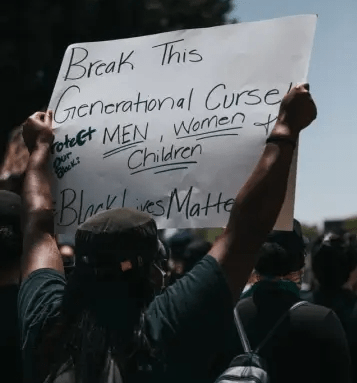
There are those who believe that race is a social construct. And while this belief may be based in truth, the complexity of race is much deeper. It has several components: social, political, historical, cultural, and involves economics. In other words, a “social” construct that has real life consequences and rewards based on one’s hue. The Transatlantic Slave Trade (maritime approx. 1482 C.E.– 1850 C.E.) was a war strategy, that used the ruse of racism to justify corrupt intentions. It aided foreigner invaders the ability to conquer, colonize, and plunder natural resources and humans for global distribution.
The use of racism (also known as White Supremacy) as a system, gives those with the same skin color of the dominant power group, automatic benefits of cultural capital and social rewards. However, this association to the dominant power group, does not make these individuals immune from personal hardships, nor does it mean they all will engage in acts of racial discrimination. Although, it is recognized others will.

The plot thickens when we look back at race in antiquity. Be mindful that dark skin color, while a physical characteristic, did not necessarily carry the same stereotypical contention found in modern times. Hence, race has roots as a modern war strategy based on skin color, combined with enforced historical amnesia and dehumanization. Our contemporary use of race presents even more dichotomies for analysis. Let’s start with genotype (genetics) versus phenotype (physical characteristics). For example, the biracial offspring of a White parent and Black parent will inherit the genetics of both parents. And for the sake of argument, let’s say the offspring may present with a phenotype that appears as White, Black, or a form of racial ambiguity. Of course, this biracial phenotype has various degrees of expression in an individual. Then add social, political, historical, economic, and cultural elements found within a society. The complexity gets deeper.
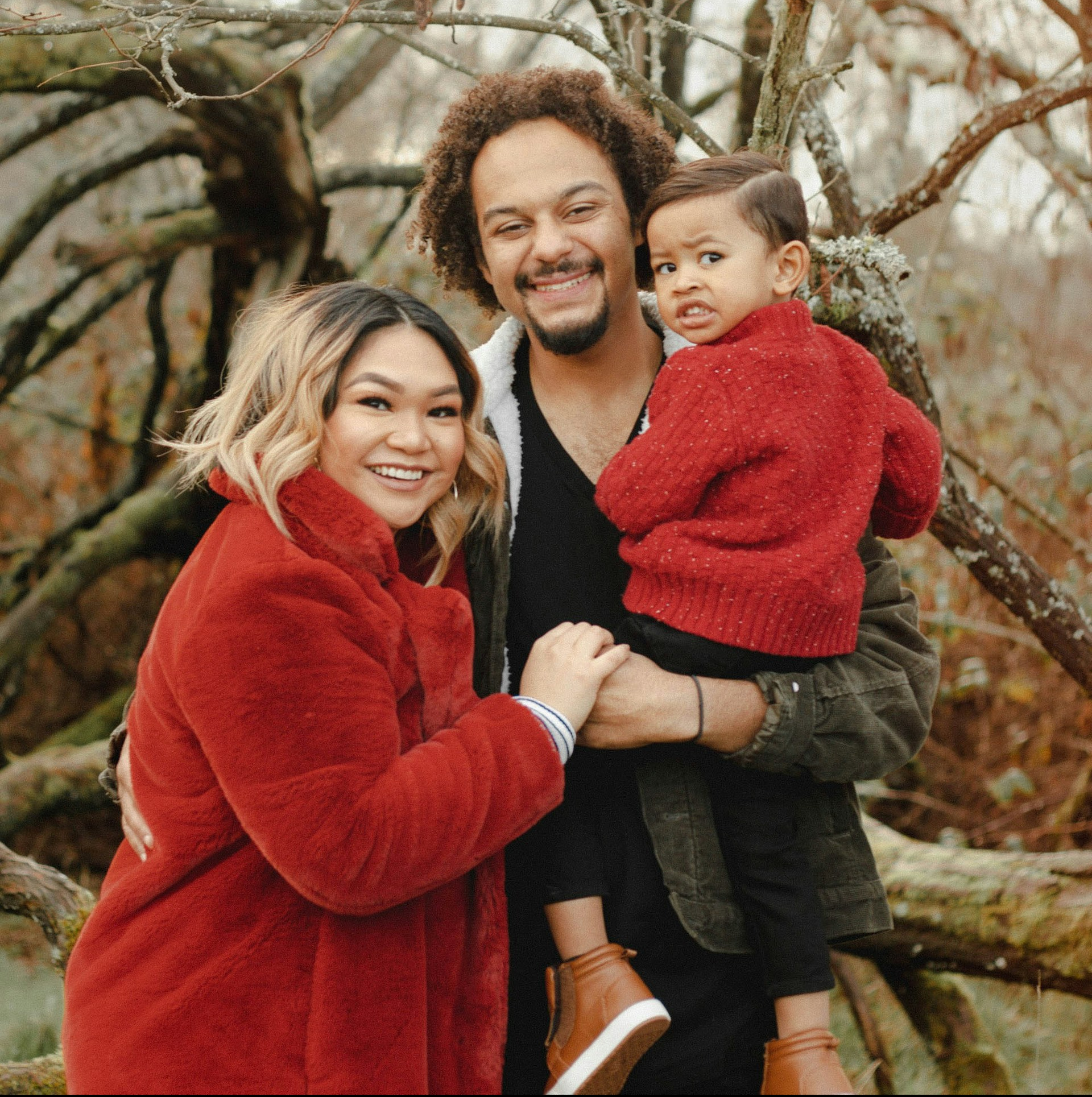
At the Appalachian foothills of Ohio, there lies a community composed of biracial and multiracial people in a small area of town known as East Jackson. They are the descendants of White, Black, and Native American Indian groups that have intermarried for 200 years. Although, many have a phenotype that presents as White, several consider themselves as Black, both socially and culturally. The State of the Re:Union hosted by Al Letson interviewed the residents in their podcast: Pike County, Ohio: As Black as We Wish to Be (September 28th, 2012). It includes the opinions of two sisters, Carlota and Allison, in which one lives as Black and the other as White. There is an admitted rift between the sisters due to their different opinions on race and the racial bullying experienced by one sister in high school. Of note, the podcast states there were more “sundown” towns in the American North and the nearby town of Waverly, Ohio was considered one of them. A very interesting story that presents a “complex racial identity” for discussion.
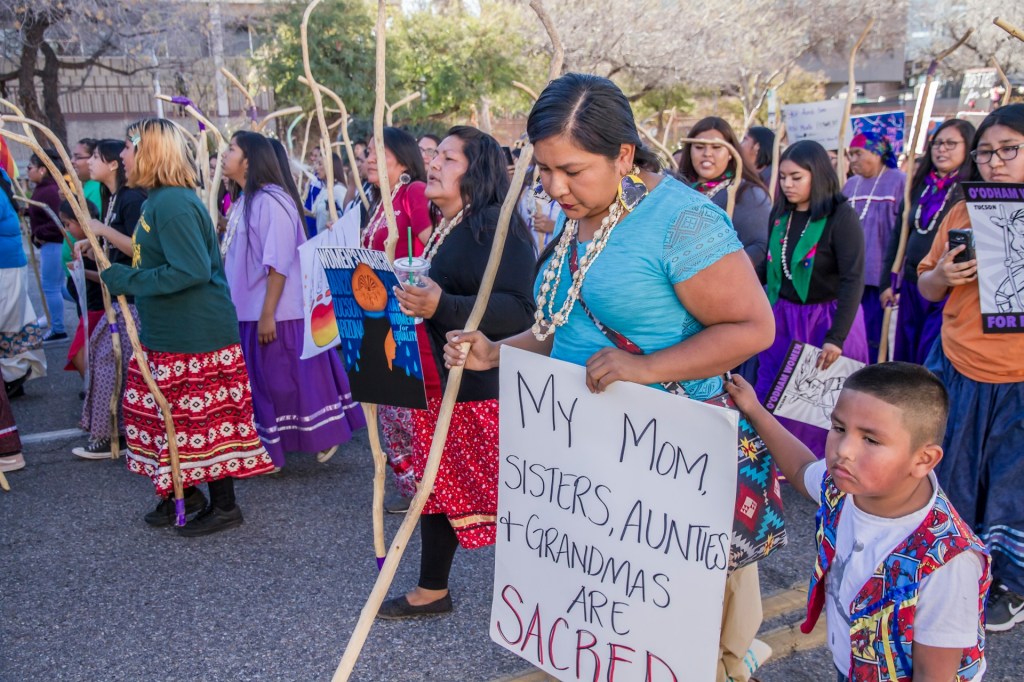
Another interesting complex racial identity for analysis, is the use of the controversial Blood Quantum Test (a blood fraction) that determines the percentage of Native American Indian ancestry within an individual. This blood test is required to meet certain tribal citizenship requirements. So, more racial complexity.
Finally, the African American population are the ancestral survivors of enslaved Africans. The history of dehumanization, anti-miscegenation laws, and Jim Crow laws have been applied to this group. These unfortunate ongoing inequalities provide a unique paradox for those who participate in racism. A sin of vanity for them or if you will, a generational curse. Even this brief attempt to explain race does not do complete justice to its various intricacies. But at the minimum, it is a good place to start.
*Notice: This updated repost article “What is Race” was first published in the November 2021 Edition. To view click here.
💖For Additional Reading
1.) The Guardian: They Look White but say They’re Black: A Tiny Town in Ohio Wrestles with Race (2019)
https://www.theguardian.com/us-news/2019/jul/25/race-east-jackson-ohio-appalachia-white-black
2.) PRX: State Of The RE: Union Podcast: Pike County, Ohio: As Black As We Wish To Be (2012)
https://beta.prx.org/stories/85361
3.) NPR: So What Exactly is Blood Quantum? (2018)
https://www.npr.org/sections/codeswitch/2018/02/09/583987261/so-what-exactly-is-blood-quantum
4.) Got Questions: What does the Bible say about interracial marriage?
https://www.gotquestions.org/interracial-marriage.html
The Guardian on YouTube
July 2019
She Said He Said on YouTube
August 2019
Alexis Belon on YouTube
October 2018
Dr. Eran Elhaik on YouTube
July 2022
Art/Film/Literature News
Two Zions
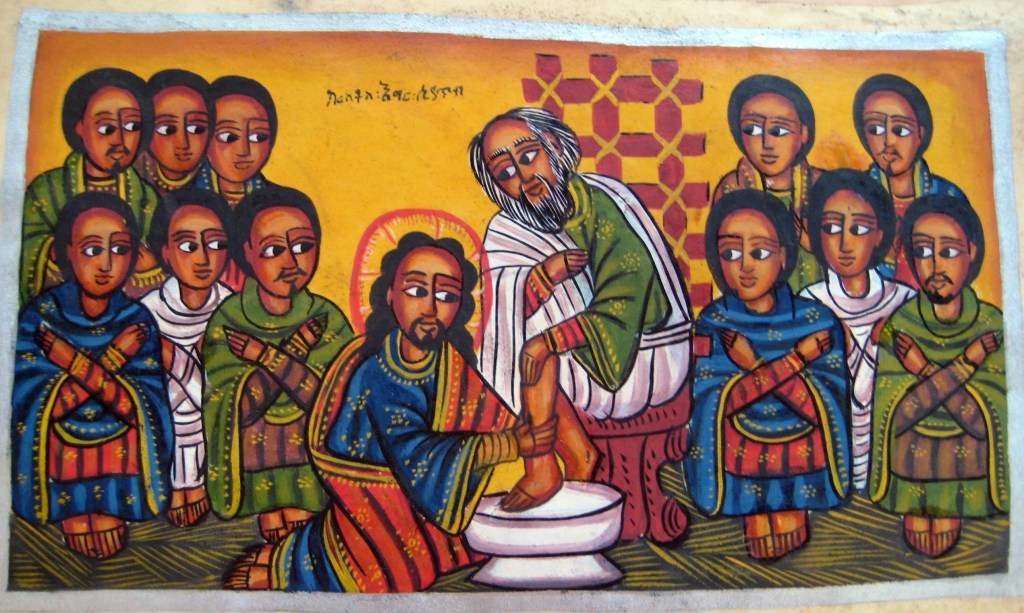
The diplomatic meeting between Jerusalem and Sheba took place over three thousand years ago. The documentary: Two Zions: The Living Legacy of the Queen of Sheba and King Solomon (2015, 58 minutes) directed by Cheryl Halpern explores the meeting between King Solomon (Jerusalem) and Queen Makeda (Sheba). Both Ethiopian Orthodox Christians and Ethiopian Jews have cultural and religious connections to this historic encounter.
It is important to remember the Black race was not absent in antiquity or within biblical history. William Dwight McKissic, Sr., provides biblical and spiritual identity to the African diaspora in his book: Beyond Roots: In Search of Blacks in the Bible (1990 & 2017, 76 pages). He reminds the reader: 1.) “Ethiopia is the oldest Christian country on the face of the Earth…” (p.50). 2.) “The Bible was translated from Greek to Geez, the native Ethiopian language, in the fourth and fifth centuries by Syrian and Ethiopian scholars…” (p.66). 1

Most Ethiopians claim the Queen of Sheba as their own. Through her son Menelik, believed to be fathered by Solomon, established a legendary Ethiopian-Solomonic dynastic rule. There is the possibility of Jerusalem Jews being a part of the queen’s returnee royal entourage home. The Bible speaks of her: “And when the queen of Sheba heard of the fame of Solomon concerning the name of the Lord, she came to prove him with hard questions” (1 Kings 10:1 KJV Holy Bible). This queen and the land she ruled was the biblical inspiration for my own name.
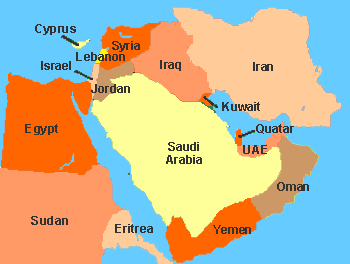
Ethiopia is not alone in its claim to the Queen of Sheba. There is some geo-historical rivalry with Yemen who also claim this queen. However, it is quite possible her ancient kingdom included both present day Ethiopia and Yemen. We must remember, the population migrations of these ancient nations involved trade partnerships, conquest, and inter-marriage (especially arranged political marriages between nations), in a region of the world composed of various people of color groups. These population migrations occurred among the ancient world, just as it occurs today.
The documentary explains very well the royal relationship between Jerusalem and Sheba. It addresses something I already suspected about the queen’s returnee royal entourage home. It confirms her son, Menelik, after meeting his father Solomon, had Jerusalem Jews in his entourage home to Sheba. Per the film: “From each tribe [of Jerusalem Jews] they sent their first born and one thousand people” (time-stamp 20:45). 2 The Bible establishes diplomatic missions involved the exchange of gifts. It states: “And king Solomon gave unto the queen of Sheba all her desire, whatsoever she asked, beside that which Solomon gave her of his royal bounty. So she turned and went to her own country, she and her servants” (1 Kings 10:13 KJV Holy Bible). A good film to watch!
💖 The film is available for rental on Amazon, to view click here.
Bibliography
( 1 ) McKissic, William D. Beyond Roots: In Search of Blacks in the Bible. United States: Renaissance Productions, 2017. p. 50 & 66.
( 2 ) Cheryl Halpern. Two Zions: The Living Legacy of the Queen of Sheba and King Solomon. HQ Creative Studio, 2015. https://www.amazon.com/Two-Zions-Living-Legacy-Solomon/dp/B08FR8PG8W
HQ Creative on YouTube
i24 News English on YouTube
November 2017
AL Jazeera English on YouTube
October 2023
Rabbi Yisroel Dovid Weiss، Activist and Spokesman for Neturei Karta, talks to Al Jazeera
Business/Non-Profit/Inspirational News
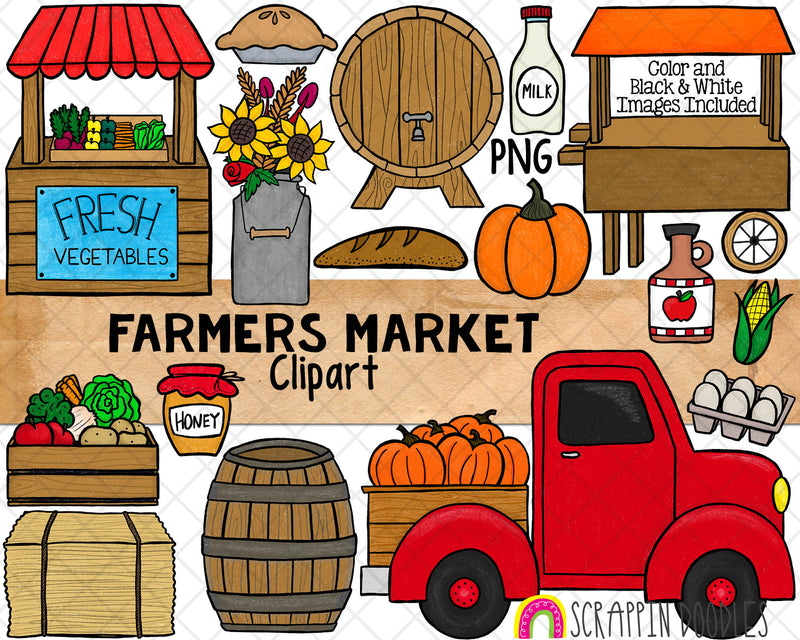
Farmers Market
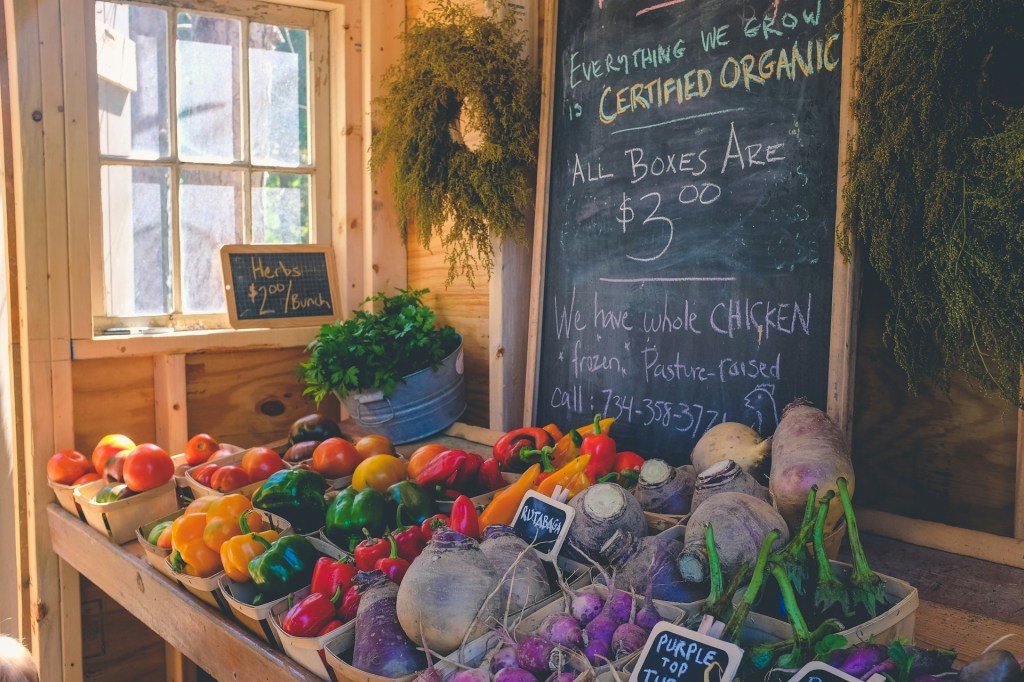
The fall season is here with its colorful orange and gold leaves. It’s a time for fall harvest produce and cool breezes. A great time to visit your local farmers market. See the videos below for inspiration!
Shakayla Felice on YouTube
Cambria Joy on YouTube
Katie Vining Shop With Me on YouTube
Book Review
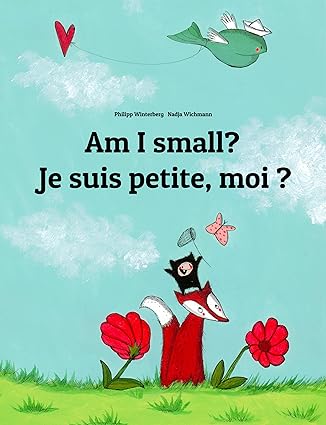
Am I Small? Je suis Petite, Moi?
Tamia is concerned about being small and compares her size to different animals. The book: Am I Small? Je suis Petite, Moi? written by Philipp Winterberg & illustrated by Nadja Wichmann (26 pages, 2014, kindle edition) has a simple storyline and beautiful illustrations. It uses bright colors and some abstract art elements.
This bilingual book was originally published in German and has been translated into over 200 languages “from Aramaic to Zulu.” I read the French-English version and it was great! Tres magnifique!
News Videos (6)
Forbes Breaking News on YouTube
August 3rd, 2024
Forbes Breaking News on YouTube
August 2nd, 2024
Forbes Breaking News on YouTube
August 24th, 2024
U.S. House Rep. Glenn Ivey (D-Maryland 4th District)
Global News on YouTube
August 5th, 2024
FOX 35 Orlando on YouTube
January 2024
CNN on YouTube
March 2023

Discover more from Sankofa Newsletter
Subscribe to get the latest posts sent to your email.
 Sankofa Newsletter
You must be logged in to post a comment.