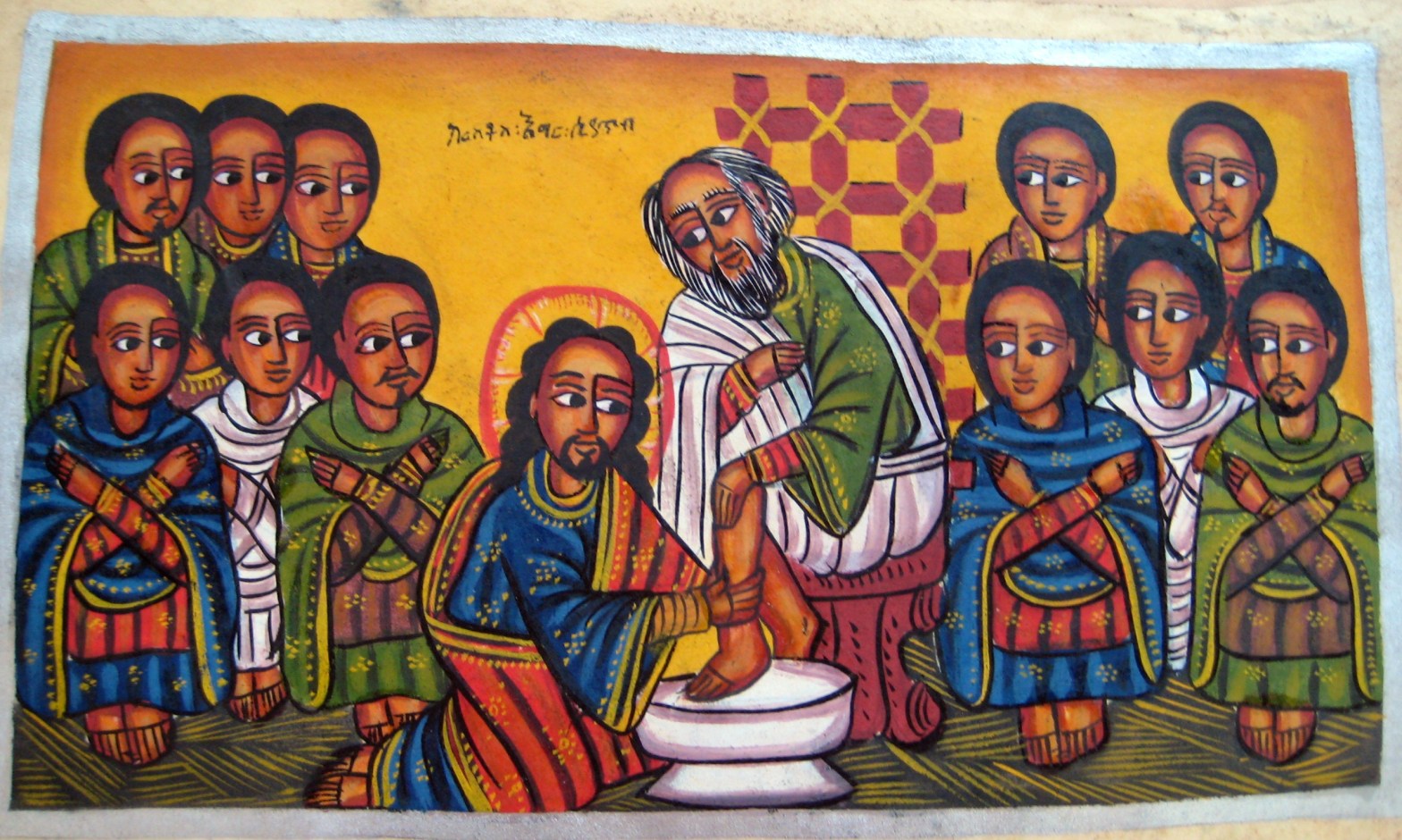
Ethiopia
17th Century
Africa & Byzantium Exhibition Tour
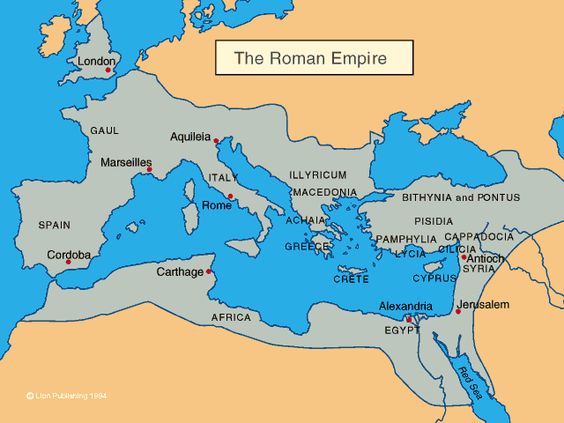
The Byzantine Empire (Eastern Roman Empire) existed over a thousand years ago (4th-15th century C.E.). It’s capital was Constantinople (New Rome) located in modern-day Istanbul, Turkey. The Byzantine Empire reached through the Mediterranean Sea lands, Africa, Italy, Spain, Greece, Asia Minor, and the Middle East. The ancient African portion of the empire includes the countries of North Africa, Egypt, Nubia, and Ethiopia.
If taken at face value, it would appear the Black race is absent in Rome. This is an incorrect assumption as Rome had notable Africans as citizens. The Romans and Africans often had interactions in diplomatic settings, as fellow citizens, and in times of war. This important fact of history is unfortunately often excluded from popular opinion. This is probably due to forms of ignorance and prejudice, a lack of dissemination of information, as well as historical amnesia.
For example, the imperial ambition of Rome to extend the empire southward was challenged by Queen Amanirenas of Nubia (Kush). According to Face2Face Africa News (2018): The Nubians and Romans (24 B.C.E) had three years of battle, that ends with the signing of a peace treaty.1 When looking back at antiquity be mindful that dark skin color, although a physical characteristic, did not necessarily carry the same stereotypical contention found in modern times. Caution should be applied with retro projections that use contemporary racial and ethnic socio-political constructs that may not have the same relevance for antiquity.
We must remember that ancient Africa was a diverse continent made up of multiple nations, languages, cultures, and ethnic groups. However, once aboard the Transatlantic slave ships, the human cargo began to have their cultural identities replaced with the label of “African Slave.” You were no longer a Bantu, Igbo, or Akan. For example, France and Germany are on the same continent of Europe, but they are recognized as different nations with their own cultures. Likewise, the continent of Africa also had such diversity of nations in antiquity and modern times.
The Transatlantic Slave Trade (maritime approx. 1482 C.E.-1850 C.E.) was a war strategy that used the ruse of racism to justify corrupt intentions to conquer, colonize, and plunder natural resources for global distribution. The psychological and social order required the enforcement of historical amnesia and dehumanization of the enslaved Africans. Their existence and empires that predate the Transatlantic Slave Trade by two thousand years, was erased from their minds, and the minds of many others. It is this ancient time-period, prior to the Transatlantic Slave Trade, that will be discussed.
The Metropolitan Museum of Art (The Met) of New York has established the Africa & Byzantium Exhibition Tour (posted below), which focuses on the unique cultural exchanges between African Kingdoms and the Byzantine Empire. These racially diverse and multiethnic societies of the ancient world had interactions that include art, religion, history, and literature. The exhibit has over 180 works of art that include: mosaics, sculpture, pottery, paintings, textiles, jewelry, and religious manuscripts.
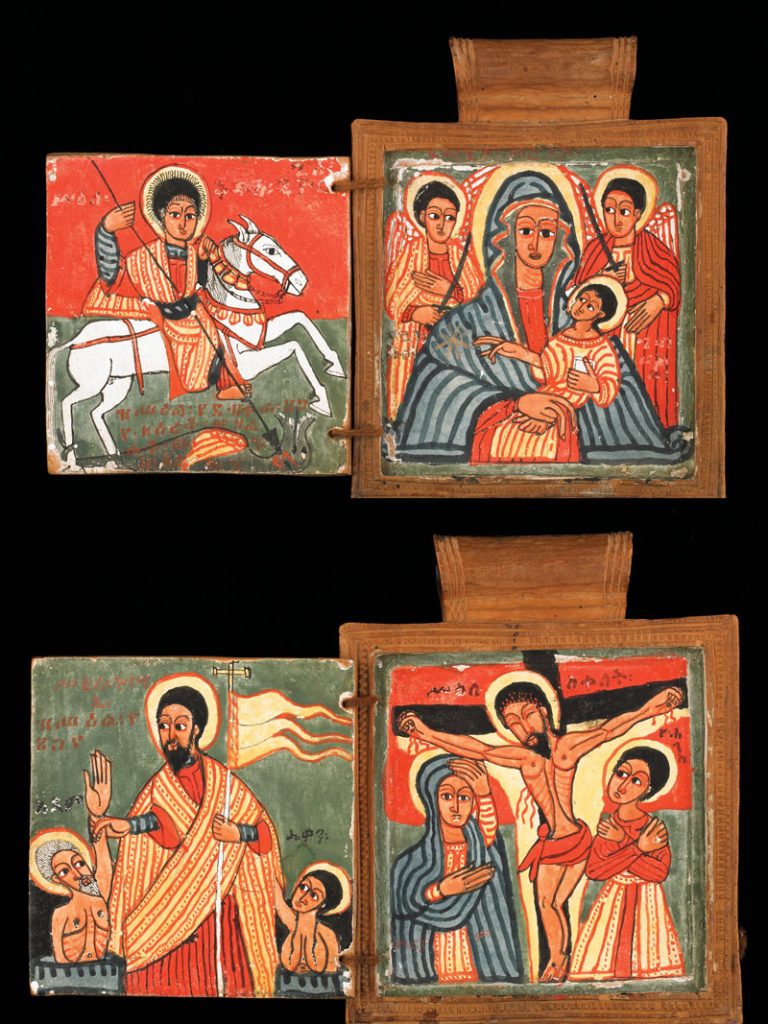
The exhibit features early Christian art with paintings of Mary and the Christ child in bold colors and glowing halos. Dr. Andrea Myers Achi, Assistant Curator narrates the video art tour and speaks on early Christian Africa. She states: “Early Christian Africa as a subsection is important, because a lot of African communities became Christian before other Roman and Byzantine communities. So for example, Ethiopia became Christian as a nation state before Rome” (time-stamp 8:08). 2
As the early Christian faith traveled from ancient Jerusalem to nearby lands in East Africa, the Mediterranean, and Western Asia (the Middle East), more people began to adopt the faith and divorced their indigenous spiritual beliefs. There are references to the Ethiopians in biblical history, such as the highway encounter between Philip the evangelist and an Ethiopian eunuch-treasurer in service to the Queen (Candace) of Ethiopia. This meeting led to the treasurer’s baptism by Philip (Acts 8:26-40 KJV Holy Bible). Even the polytheistic Romans later converted to Christianity. Many Romans no longer engaged in the indigenous spiritual practices that were once the cultural norm. Their art work and cultural exchanges began to reflect this religious conversion.
It is important to remember the Black race was not absent in antiquity or within biblical history. William Dwight McKissic, Sr., provides biblical and spiritual identity to the African diaspora in his book: Beyond Roots: In Search of Blacks in the Bible (1990 & 2017, 76 pages). He reminds the reader: 1.) “Ethiopia is the oldest Christian country on the face of the Earth…” (p.50). 2.) “The Bible was translated from Greek to Geez, the native Ethiopian language, in the fourth and fifth centuries by Syrian and Ethiopian scholars…” (p.66). 3
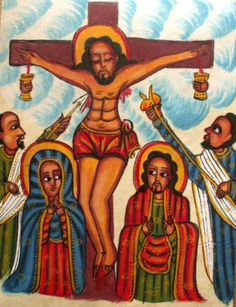
The art tour displays works that have dark-skinned figures, a synagogue date palm mosaic, African Red Slip Ware, and 5,000 artistic tiles from Tunisia. Their are contributions from contemporary artists like Ms. Tsedaye Makonnen whose black and white light sculpture, with engraved Coptic Ethiopian crosses, memorializes the names of women who passed away crossing the Mediterranean Sea.
Dr. Andrea Achi speaks on one of her aims with this exhibit: “Throughout the exhibition, I try to show people, juxtapositions of things that are similar and different. I really wanted to show the differences in size, scale, and even the types of imagery that’s on this textile” (time-stamp 10:39).4 A beautiful art tour that stimulates both visual and intellectual curiosity!
Bibliography:
(1) Johnson, Elizabeth Ofosuah. “Amanirenas, the brave one-eyed African Queen who led an army against the Romans in 24BC.” Face2Face Africa News. 2018. https://face2faceafrica.com/article/amanirenas-the-brave-one-eyed-african-queen-who-led-an-army-against-the-romans-in-24bc/amp
(2, 4) “Exhibition Tour—Africa & Byzantium | Met Exhibitions” YouTube video, 23:31. “The Met,” November 30th, 2023. https://www.youtube.com/watch?v=NHIT9vq6mJU&t=11s
(3) McKissic, William D. Beyond Roots: In Search of Blacks in the Bible. United States: Renaissance Productions, 2017. p. 50 & 66.
*Notice: This updated repost article: Africa & Byzantium Exhibition Tour was first published in the February 2024 Edition, to view click here.
Videos (5)
Museum of Fine Arts, Boston on YouTube
October 2019
“Dr. Shomarka Keita, Research Affiliate in the Department of Anthropology at the Smithsonian Institution, discusses race and antiquity through his perspective as a biological anthropologist.“
The Met on YouTube
November 30th, 2023
“Join Dr. Andrea Myers Achi, Mary and Michael Jaharis Associate Curator of Byzantine Art in The Met’s Department of Medieval Art and The Cloisters, for a virtual tour of Africa & Byzantium. Art history has long emphasized the glories of the Byzantine Empire (circa 330–1453), but less known are the profound artistic contributions of North Africa, Egypt, Nubia, Ethiopia, and other powerful African kingdoms whose pivotal interactions with Byzantium had a lasting impact on the Mediterranean world.”
Home Team History on YouTube
AP Archives on YouTube
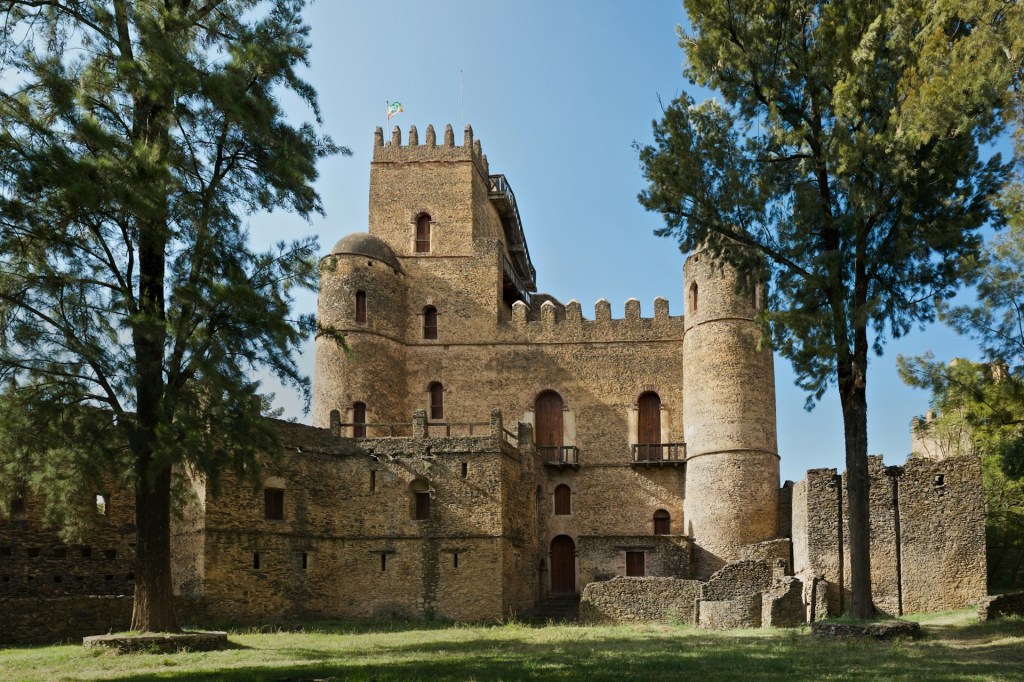
Gondar Castle, Ethiopia
Prince Amir on YouTube
1996 Documentary Narrated by Wesley Snipes
Dr. John Henrik Clarke (1915-1998), Professor of African & African-American History

Santino Le Saint on YouTube


Discover more from Sankofa Newsletter
Subscribe to get the latest posts sent to your email.
 Sankofa Newsletter
You must be logged in to post a comment.