*Notice: This book review contains spoilers.
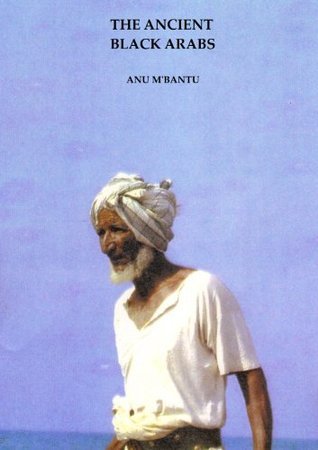
The Ancient Black Arabs
The opportunity to learn about Black History extends beyond the borders of one nation. Learn more about Blacks of the Middle East in the book: The Ancient Black Arabs by Anu M’Bantu (2012, 38 pages, kindle edition). This short book introduces the basic concepts of skin complexion and ethnicity in the ancient Arab world. The author states: “There are still Black people in Arabia today and in some instances they can be distinguished from more recent Black arrivals from Africa” (kindle p. 18).
The Transatlantic Slave Trade (maritime approx. 1482 C.E.-1850 C.E.) was conducted by Europeans versus the Trans-Saharan Slave Trade that was facilitated by Arabs. Their enslaving of Africans occurred nearly a thousand years before Europe’s involvement. The Arabs also enslaved people of lighter skin complexions, such as Slavs (Eastern Europeans). But the African existence and their empires, predate both slave trades, by a minimum of two thousand years. It is this ancient time-period that will be discussed.
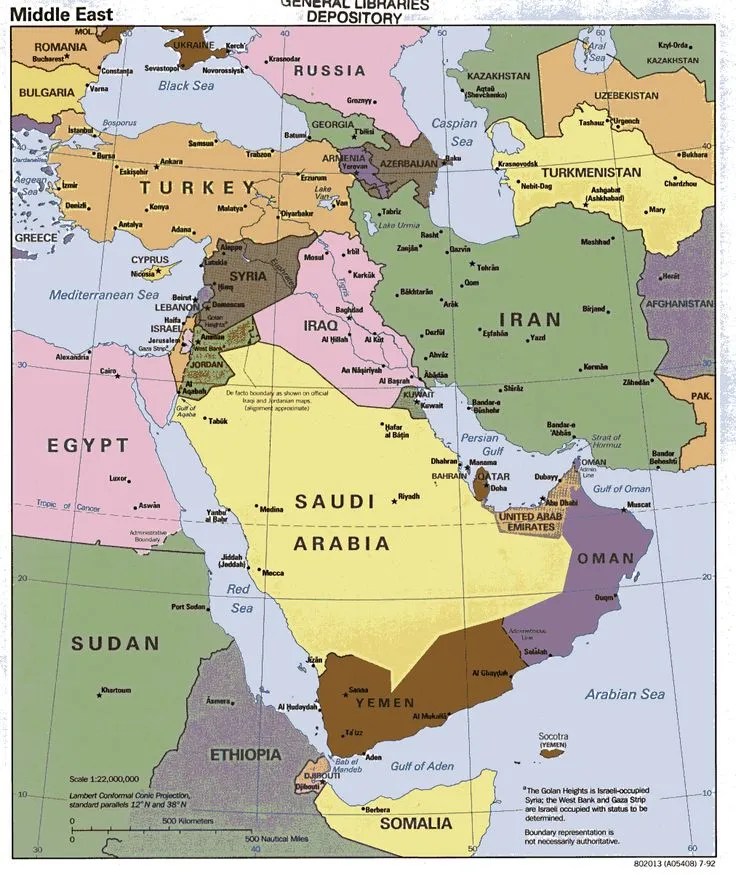
The existence of powerful African civilizations in antiquity, often experience omission from the respectable commentary of world history. According to Dr. John Henrik Clarke, historian: “When the prophet [Muhammad] was born, half of Arabia was an Ethiopian colony. But if you haven’t studied Black imperialism, you don’t know this. There was a time when Africans ruled nations and dominated nations (time-mark 2:18).” 1 This assertion reveals the relationship between the nations of the Middle East (also known as Western Asia) and African nations. The population migrations of these ancient nations involved trade partnerships, conquest, and inter-marriage.
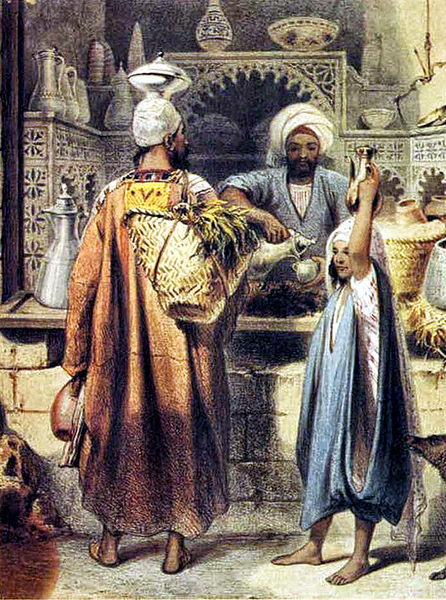
When looking back at antiquity be mindful that dark skin color, although a physical characteristic, did not necessarily carry the same stereotypical contention found in later modern times. In relation to the ancient Black Arabs, the author quotes the work of Galen, a Greek physician in service to the Roman empire: “In Ethiopians, Arabs, and all other southern peoples the skin has been roasted by the ambient heat being drawn outwards, and so becomes hard, dry, and black” (kindle p.4). The author continues to explain the concepts of skin complexion and ethnicity in the ancient Arab world with three main points: 1.) the arrival of Mediterranean people (e.g. Greeks, Romans) and the resulting racial admixtures 2.) Arab versus Persian conflicts and their racial-ethnic dynastic changes 3.) the anti-Black perspective of some Arab authors to retro-project racial contempt attitudes that belong to later periods in history.
Overall, this book gives a brief introduction that can be used to seek-out more in depth historical works. The author provides citations within the text and writes in an essay style format. A good read!
Bibliography
(1) “Dr. Clarke Islamic Arab Destruction of Black People Pt 1” YouTube video, 10:01. “Goraw Z,” June 5th, 2011. https://www.youtube.com/watch?v=akQXXDteUqg
For Additional Reading
The Met Museum: Trade between Arabia and the Empires of Rome and Asia
https://www.metmuseum.org/toah/hd/ince/hd_ince.htm
Timemaps.com : Map of Arabia at 1000 BC
https://www.timemaps.com/history/arabia-1000bc/
Video (4)
Goraw Z on YouTube
Middle East Eye on YouTube
AL Jazeera English on YouTube
Visual Poet 1 on YouTube

Discover more from Sankofa Newsletter
Subscribe to get the latest posts sent to your email.
 Sankofa Newsletter