


Happy Native American Heritage Month!
(November 2023)
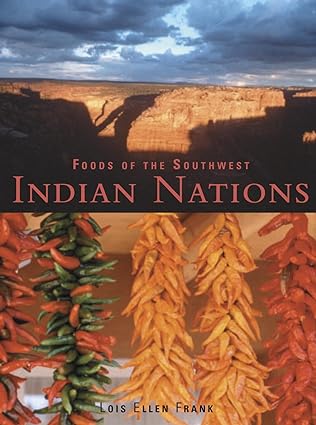
Book Review: Foods of the Southwestern Indian Nations: Traditional and Contemporary Native American Recipes
*Notice: This book review contains spoilers.
Dr. Lois Ellen Frank is a Culinary-Cultural Anthropologist and photographer who studies the cultural food traditions of the American Southwest Indian Nations. Her book: Foods of the Southwest Indian Nations: Traditional and Contemporary Native American Recipes A Cookbook (2013, 208 pages, kindle edition) was written some years back, while she was in her PhD program. She visited different reservations, cooked with elders in the community, and spoke with chefs to gain more understanding.
The author has mixed heritage composed of maternal European and Kiowa ancestry, along with paternal European Jewish ancestry. She states: “I wasn’t raised with Indian traditions, and I never knew my Kiowa grandfather; however, my mother used to tell me stories, and my Native American heritage was something that I wanted to know about” (kindle location 162-169). The desire to know more about Native American culture would influence her research path and lead to the study of the Navajo (Diné), Apache, Pueblo, and Hopi of the American Southwest.

Today, the American Southwest is located in the states of Arizona, New Mexico, Nevada, Utah, Colorado, and California. It is the home of several different Native American Indian Nations that includes the Navajo (Diné), Apache, Pueblo, and Hopi. But in early history, these lands had different names and belonged to indigenous pre-historic civilizations, such as the Anasazi, Mogollon, Hohokam, and Hakataya. The author has found that several cultural food traditions were passed down to each generation from these ancient groups. These traditions include the use of wild greens and herbs, ancient grinding stones, and baking in earthen ovens.
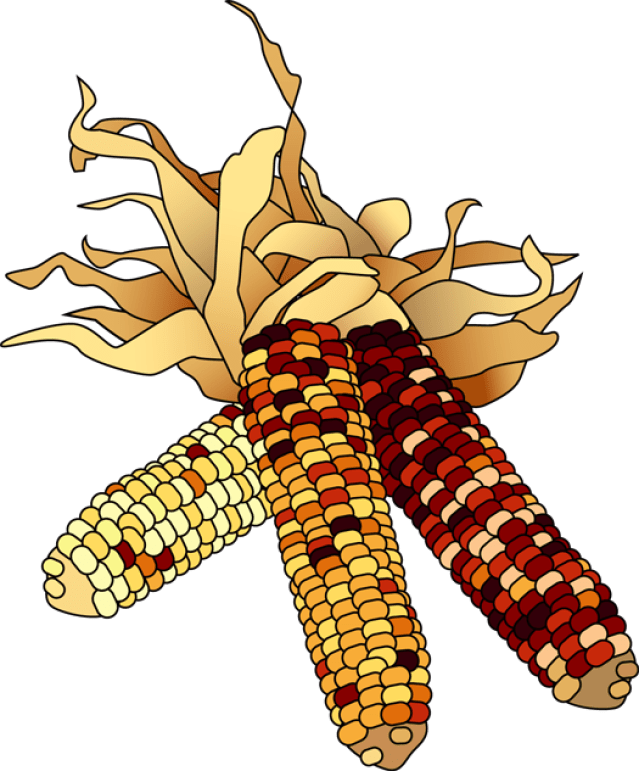
The term “The Three Sisters” refers to the intercropping method of planting corn (maize), beans, and squash together.1 These specific foods are historical and contemporary staples of the Native American Indian diet. The author speaks of corn: “Corn is important not only as a food source, but also because its pollen is used in every girl’s coming-of-age ceremony” (kindle loc. 285). She describes the different types of corn: blue, white, red, speckled, and yellow used in the cuisine. There are recipes for Posole, Blue Corn Tortillas, and Spicy Corn Soup. These dishes can easily be paired with the recipes for Piki Bread, Fry Bread, and cornbread also found in the book.
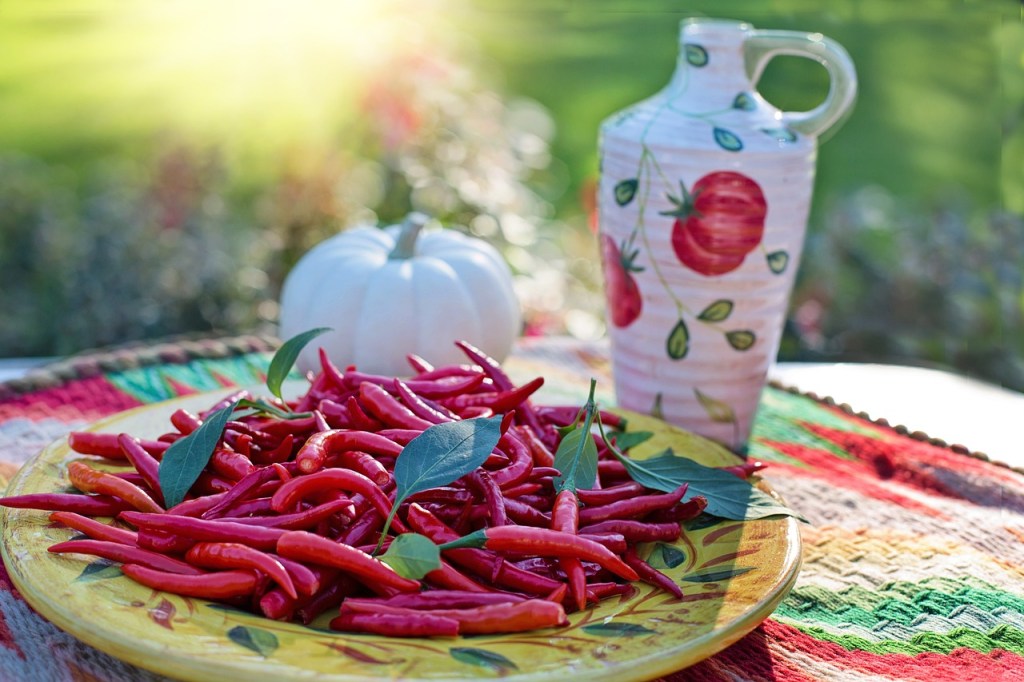
The book has six chapters on different food groups of the Native American Indian cuisine. The chapter “Chiles: The Spice of Life” was a favorite. Dr. Lois Ellen Frank writes about the history, different varieties, and cultivation of chiles. She mentions a fun anecdote told to her by a friend: “In their family, they never cook with chiles when they are angry because it makes the chiles even hotter” (kindle loc. 986). This chapter has recipes for Fresh Green Chile Soup with Tumbleweed Greens and Batter-Dipped Chiles with Fiery Bean Sauce. Both of these dishes are sure to be crowd pleasers, especially for those palates who enjoy a bit of spice.
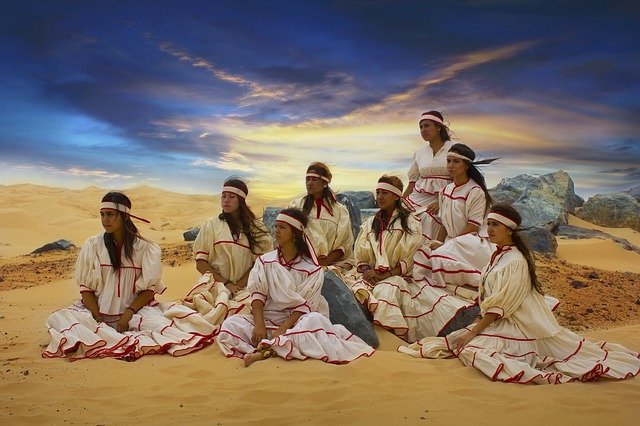
This was an enjoyable book that allows the reader to get a glimpse of the history, culture, and cuisine of the Southwestern Indian Nations. It includes photos, endnotes, bibliography, index, and an author’s note. Some of the recipes are adapted to include substitution items that are more commercially available, as certain items featured are found mostly in the American Southwest. A very good read! Happy Native American Heritage Month!
Bibliography
( 1 ) Marsh, Emily Ph.D., MLS. “The Three Sisters of Indigenous American Agriculture.” USDA: National Agricultural Library. Accessed online on November 14th, 2023. https://www.nal.usda.gov/collections/stories/three-sisters#:~:text=and%20the%20Southeast.-,The%20Iroquois%20and%20the%20Cherokee%20called%20corn%2C%20bean%2C%20and%20squash,like%20family%20when%20planted%20together.
💖For Additional Reading (2)
1.) USDA National Agricultural Library: The Three Sisters of Indigenous American Agriculture
2.) U.S. Department of the Interior Indian Affairs: National Native American Heritage Month
Video (4)
Bioneers on YouTube
April 14th, 2014
Dr. Lois Ellen Frank, PhD Author of book: Foods of the Southwest Indian Nations: Traditional and Contemporary Native American Recipes [A Cookbook]
iColores on YouTube
October 7th, 2020
PBS Newshour on YouTube
October 16th, 2019
Independent Lens PBS on YouTube
November 19th, 2019


Discover more from Sankofa Newsletter
Subscribe to get the latest posts sent to your email.
 Sankofa Newsletter