“To gain knowledge for the future, demands wisdom of the past.”
The word Sankofa originates from the Twi language of the Akan tribe of Ghana, West Africa. It means “go back and get it.” The Akan people believe the past and the future are eternally intertwined and any pursuit of knowledge must demonstrate this understanding.
The Sankofa Newsletter is a mini-guide to culture and news. A monthly publication that features four articles to inspire, enlighten, and stimulate intellectual curiosity. Get a free copy delivered to your email inbox today. Share, Like, Subscribe. Happy Reading! LaSheba Baker, Blogger
😊 Note: For email subscribers, you can click the blue title at the top “Edition” to connect directly to the web blog. This may provide a better copy to read.
Book Review by LaSheba Baker
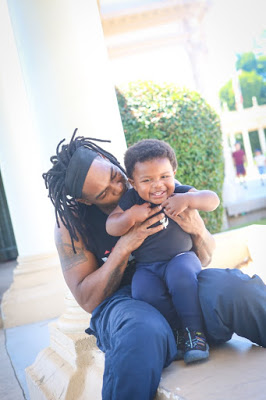
National Day of Encouragement Bonus Book Review: Black Fatherhood: Trials & Tribulations, Testimony & Triumph
*Notice: This book review contains spoilers.

Black Fatherhood: Trials & Tribulations, Testimony & Triumph by Khalid Akil White (2016, 121 pages, kindle edition)
Khalid White is a professor of African American studies, author, filmmaker, and father. He challenges the negative stereotype of the absent Black father in his book: Black Fatherhood: Trials & Tribulations, Testimony & Triumph (2016, 121 pages). He asserts many Black men are responsible fathers and often are overlooked. The book presents a more balanced view of Black fatherhood through ten personal interviews with various fathers, statistics, and commentary from Dr. White on the issue.
The personal interviews of the fathers feature men from diverse walks of life that include: educators, entrepreneurs, an ex-drug dealer who ran for city council, blended families, co-parents, stay-at-home dad, Christian, Kemetic spiritualist, and a continental African with long-term residency in the United States. The use of statistics in the book supports the involvement of Black fathers. According to the Pew Research Center: “Although black fathers are more likely to live separately from their children…many of them remain just as involved in their kids’ lives…67 percent of black dads who don’t live their kids see them at least once a month…”(kindle p.8). An interviewee explains: “Popular media of today glorifies the negative aspects of our African American community…That negates all the hard work that real African American fathers are doing in the community” (kindle p. 42).
For an example, I will focus on the interview of Dr. Sydney Sukuta, a physics professor and father of twins. In 1979, he left his native land of Zimbabwe for education in England and then in the United States. He has an intercultural marriage with Sandra, an African American woman. He speaks fondly of his own father, who is described as “empathetic, calm, and rational.” And how his father gave him small projects to do on the farm, that showed a trust in his judgement, even as a child. He acknowledges cultural factors in the upbringing of his children: “I have to weed out the bad influences from both cultures. That’s how I want to raise my kids” (kindle p. 59)…“I think what has happened between the Continental African and the African American is that we have learned about each other through the eyes of other people” (kindle p. 61). He also teaches the twins about traditional African values through the use of song.
This book has an approachable and clear writing style. It includes examples from the author’s own life to help facilitate understanding in a down-to-earth manner. I enjoyed reading this book. The author has a documentary film on the subject with the same title as the book (I plan to watch it soon). Black fathers do participate in the lives of their children and this needs to be recognized in American society. Especially, to counter negative stereotypes that are not the true reflection of the complete situation. According to Newsweek (per Josh Levs, author of the book: All In: How Our Work-First Culture Fails Dads, Families, and Business. And How We Can Fix It Together ): “A CDC study found that about 2.5 million black fathers were living with their children, and about 1.7 million were officially living apart from them.”1
Attached below are articles for additional reading related to these statistics and the factors involved. For those fathers who are absent from their child’s life, it’s no time like the present to reconnect. Overall, Black fathers do accept responsibility for their progeny and of this fact, they should be encouraged. Happy National Day of Encouragement!
Bibliography:
(1.) Levs, Josh. “They’re Dragging Out the Absent Black Fathers’ Myth Again. Can We Give it a Rest? Opinion.” Newsweek. June 5th, 2020. https://www.newsweek.com/absent-black-fathers-myth-racism-1509085
💖For Additional Reading:
Newsweek: They’re Dragging Out the Absent Black Fathers’ Myth Again. Can We Give it a Rest? Opinion
https://www.newsweek.com/absent-black-fathers-myth-racism-1509085
HuffPost: No, Most Black Kids Are Not Fatherless (2016)
https://m.huffpost.com/us/entry/11109876/amp
🎉Purchase the book here: https://www.amazon.com/Black-Fatherhood-Tribulations-Testimony-Triumph/dp/0692712062
🎉Purchase the documentary film here: https://www.blkmpwr.com/product-page/black-fatherhood-trials-tribulations-testimony-triumph-dvd

Discover more from Sankofa Newsletter
Subscribe to get the latest posts sent to your email.
 Sankofa Newsletter