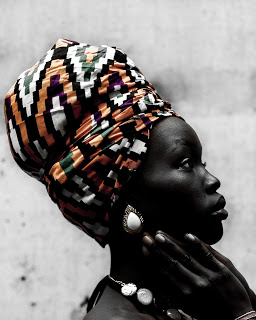
The Nubian Princess
“To gain knowledge for the future, demands wisdom of the past.”
💖Welcome to the Sankofa Newsletter Blog!
The word Sankofa originates from the Twi language of the Akan tribe of Ghana, West Africa. It means “go back and get it.” The Akan people believe the past and the future are eternally intertwined and any pursuit of knowledge must demonstrate this understanding.
The Sankofa Newsletter is a mini-guide to culture and news. A monthly publication that features four articles to inspire, enlighten, and stimulate intellectual curiosity. Get a free copy delivered to your email inbox today. Share, Like, Subscribe. Happy Reading! LaSheba Baker, Creator & Editor
Sankofa Newsletter
Black History Month Bonus Book Review
*Notice: This book review contains spoilers.
Book Review by LaSheba Baker
The Nubian Princess
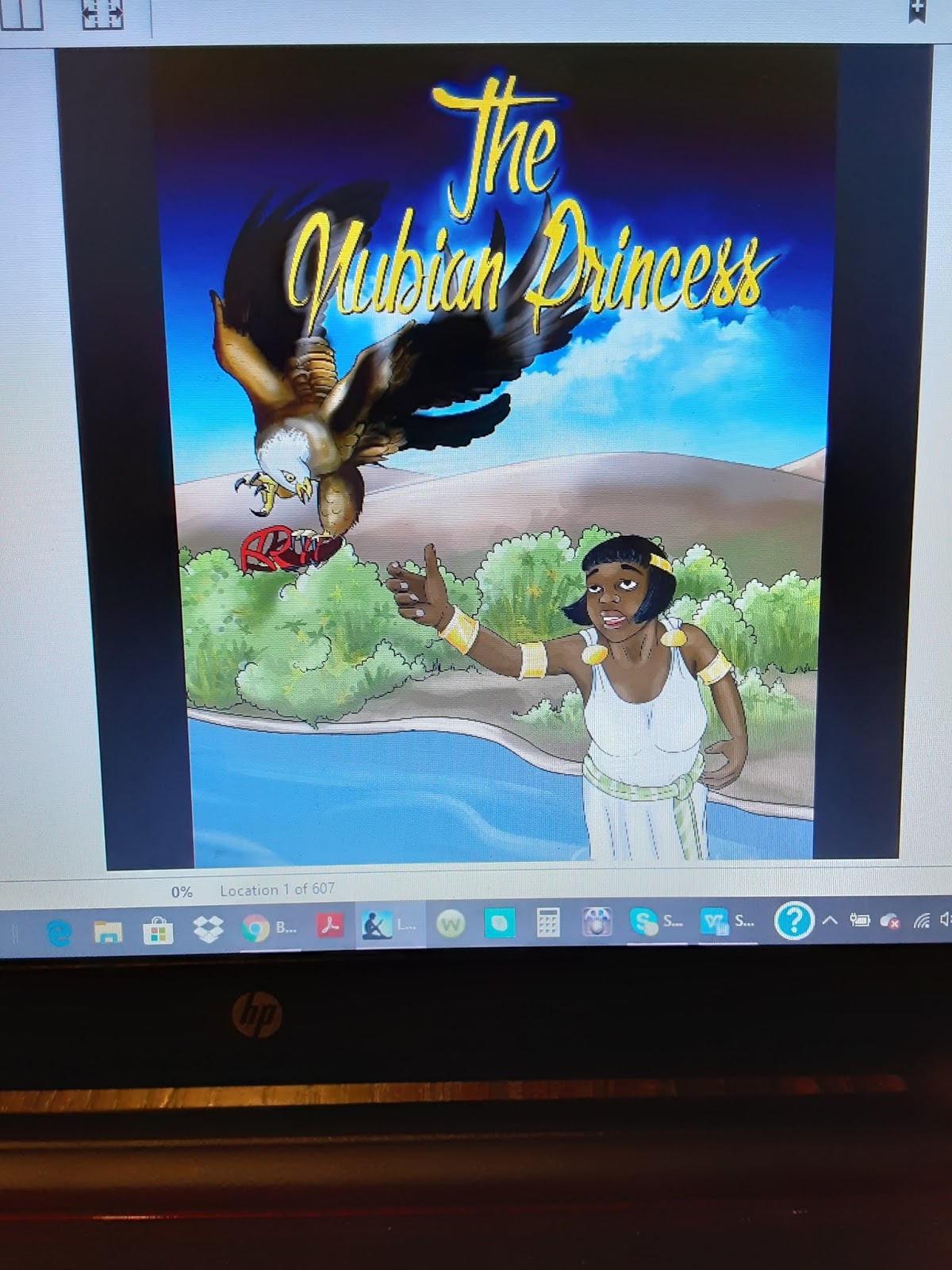
The Nubian Princess (2018 Kindle Edition, 30 pages) by Karl Murage and Michael S. Amisi
The ancient Kingdom of Kush (Cush) (1070 B.C.E- 300s C.E.) located in Nubia was the home of Black Pharaohs, Kandakes (Queen Mothers), and a fierce army of warriors renowned for their superb archery skills. The Nubians’ homeland was just south of Egypt (Kemet) and the two countries share a long geo-political history. In the 8th century B.C.E. (744 B.C.E- 714 B.C.E.), the Nubian king Piye conquered Egypt, established the 25th dynasty, and ruled as a pharaoh. This amazing civilization is featured in the book:The Nubian Princess (2018 Kindle Edition, 30 pages) by Karl Murage and Michael S. Amisi. The heroine, Kiya, is a Nubian Princess and the daughter of a great military commander. As a child she played with the crown prince Shabakata, and he was so fond of her that he vowed to make her queen. At the request of the Kushite king, Kiya’s father was ordered to assist Egypt in the war against Persia. Her family was deployed to Egypt and Kiya receives a “red” parting gift from the prince. While in Egypt, she and her mother witness the eve of destruction by the invading Persian army. Her mother sadly concedes: “They’re already here, the mother whispered to her daughter. Their spies and partisans, their compatriots and sympathizers have been waiting for this moment here in the Delta” (location 326). Events unfold and Kiya is captured and taken into slavery.
Although enslaved, Kiya has an initial experience of serendipity in which a Greek noblemen decides to treat her not as a slave but as a daughter of his house on the island of Samos. She is befriended by an enslaved Ethiopian man named Aesop who tells her fabulous tales as they gather together in the beautiful gardens and orchards. As time passes Kiya’s circumstances turn, she is reduced to servitude and suffers the loss of Aesop. She tries to remind herself that she is a princess of Kush. Meanwhile back in the Kingdom of Kush, Prince Shabakata is given a prophetic message: “There was an old prophet at the court, an adviser to the king. One day, he told the prince: You must not marry until you find… you must make the girl who owns them your wife…Soon afterwards the old prophet died but the young prince never forgot his words” (location 513). So, a call of destiny beckons to both Princess Kiya and Prince Shabakata, but will they answer the call?
This book is a very enjoyable read with descriptive details of historical events and cultures. It shows the diversity of these ancient lands that include the people groups found specifically in Egypt: Libyans, Hebrews, Hittites, Greeks, and Kamites. A defeat in war could lead an Egyptian, Nubian, or Greek to slavery alongside each other. It is important to remember that several different African nations existed two thousand years before the Transatlantic Slave Trade. The “pre-transatlantic slavery” part of history must be included in any significant study of the African Diaspora. This book has the essence of a beloved folktale that will delight both children and adults. It was a refreshing read to be transported back in time to the antiquity of black empires.
💖Purchase the book here:
💖For Additional Reading:
Ancient Africa for Kids: Kingdom of Kush (Nubia)
The Oriental Institute of The University of Chicago: The History of Ancient Nubia
Barjeel Art Foundation: Portrait of a Nubian Family by Gazbia Sirry (1962)
Video
CGTN News: Sudan Pyramids: Stunning Reminder of the Ancient Nubian Kingdom (April 2015) on YouTube

Discover more from Sankofa Newsletter
Subscribe to get the latest posts sent to your email.
 Sankofa Newsletter