“To gain knowledge for the future, demands wisdom of the past.”
💖Welcome to the Sankofa Newsletter Blog!
The word Sankofa originates from the Twi language of the Akan tribe of Ghana, West Africa. It means “go back and get it.” The Akan people believe the past and the future are eternally intertwined and any pursuit of knowledge must demonstrate this understanding.
The Sankofa Newsletter is a mini-guide to culture and news. A monthly publication that features four articles to inspire, enlighten, and stimulate intellectual curiosity. Get a free copy delivered to your email inbox today. Share, Like, Subscribe. Happy Reading! LaSheba Baker, Creator & Editor
😊 Note: For email subscribers, you can click the blue title at the top “Edition” to connect directly to the web blog. This may provide a better copy to read.
Sankofa Newsletter
February 2020 Edition
Culture & News
Black History Month Curriculum
The month of February is designated as a celebration of African-Americans’ history, cultural contributions, and achievements. To add even more joy to this annual event the owners of Melanin Origins, a children’s book company, has launched a Black History Month curriculum giveaway from January 1, 2020 to February 29, 2020. The curriculum is suitable for kindergarten through second grade elementary and is based on TEKS/Common Core lesson plans. The four week course features the great historical figures of: Madam C.J. Walker, Booker T. Washington, Ida B. Wells, and W.E.B. Du Bois. What a great way to expose young scholars to this important part of history.
Founders of Children’s Book Publishing Company Launch Black History Month Curriculum Giveaway
Mark Bradford is an abstract Artist whose preferred media is paper, of which he creates unique works of art. A former hairstylist from South Central Los Angeles, California he now commands top dollar for his art and is highly respected in artistic circles. His painting “Amendment #8” has political and social commentary on current events and is based on the 8th Amendment of the U.S. Constitution that provides protection against excessive bail and cruel or unusual punishment. He states the context of paper in this painting as: “…precious and not precious, protected by security guards and shredded…” This reveals a depth of perception that he masterfully applies to his work.
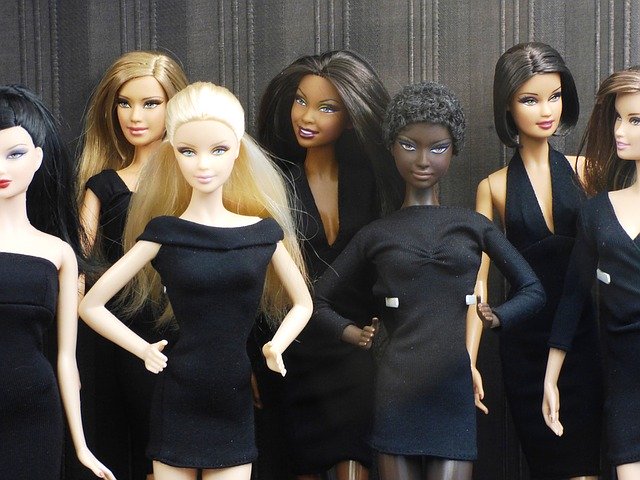
Nevaeh Woods is a 9-year-old Detroit native and fashion designer of clothes for Barbie dolls. Her talent to take ordinary items such as socks and ribbons to create fashion outfits prompted her mother to share pictures of these creations on Facebook. The post went viral. She was even noticed by toy-maker Mattel (the creator of Barbie) and they sent her a gift box of new Barbies. The young Nevaeh has turned her talent into a business and plans for a future as a fashion designer.
Nevaeh Woods, 9, Gets Noticed by Mattel for her Clothing Designs for Barbie Dolls
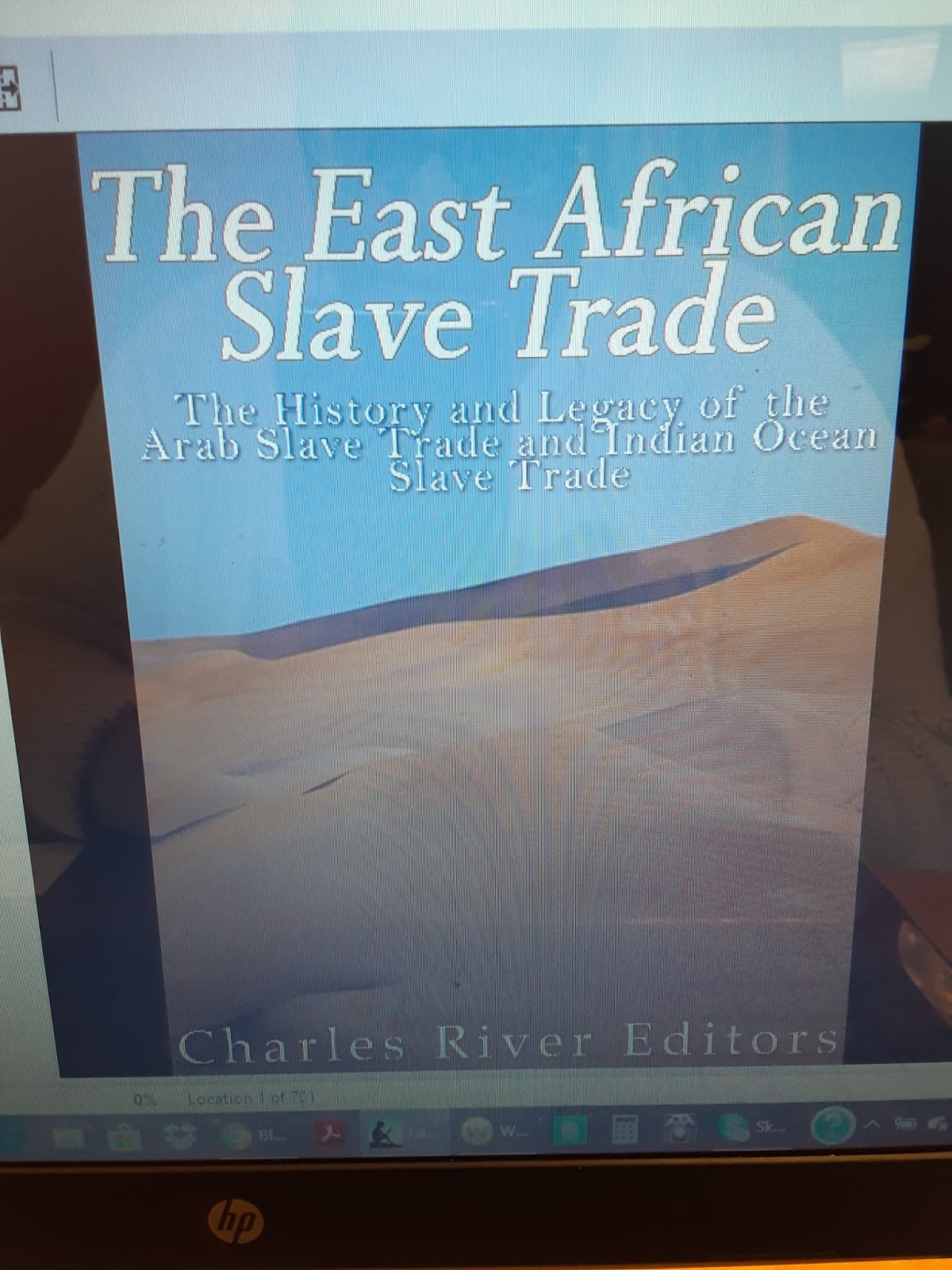
There appears to be more popular understanding about the Transatlantic Slave Trade that brought enslaved Africans to the Americas, Europe, and the Caribbean Islands. In comparison, the East African Slave Trade, existed for nearly a thousand years before the forced transatlantic migration and was facilitated by Arab nations. The book: The East African Slave Trade: The History and Legacy of the Arab Slave Trade and Indian Ocean Slave Trade (2017 Kindle Edition, 76 pages) by Charles River Editors provides a general overview of this practice.
In the book, the Arab enslavement of Africans required them to work in agricultural positions, military, domestic roles, and as eunuchs and concubines. There were some legal protections for the enslaved and potential avenues to exit slavery. These supposed safeguards lead some to believe Islamic slavery was humane and the book addresses this interpretation: “…Islamic slavery, for those that chose to view it as such, was relatively humane, and it could not be outlawed at the simple stroke of a pen without interfering with ancient and revered conventions of religion and culture. It was seen often as a cultural practice intrinsic to Arabic society…”(p. 56). A set challenge to this belief is that any act of brutality irrespective of severity, at its core is still a brutality.
The reader should be aware that the main perspective of this book subscribes to a type of European worldview in which the accomplishments of adventurers, missionaries, and the diplomatic negotiations/treaties of their countries are the main focus. There are very brief descriptions about the actual enslaved Africans and their plight in this particular worldview. For example, the Zanj Rebellion (869 C.E – 883 C.E., 9th century) was a slave revolt that occurred close to modern day Iraq is only briefly mentioned and not much background information is given in terms of how these slaves and freedmen executed such an attack. Even their names are absent. In all fairness, this book is not promoted as a comprehensive review but it still remains myopic in the study of enslaved Africans themselves. The book is well-written, informative, and can serve as a reference guide to seek out other texts for additional knowledge.
The Zanj Rebellion of East African Slaves Transported to Iraq in the 9th Century
Hi, I’m LaSheba. The Sankofa Newsletter is a reflection of my personal and research interest in the study of culture, history, religion, sociology, and neuroscience. As an aspiring scientist, author, and life-long learner this blog serves as a resource to inspire, enlighten, and stimulate intellectual curiosity. Happy Reading!
“And when the Queen of Sheba heard of the fame of Solomon concerning the name of the Lord, she came to prove him with hard questions.” -(1 Kings 10:1, KJV Holy Bible)
View more posts

 Sankofa Newsletter