“To gain knowledge for the future, demands wisdom of the past.”
💖Welcome to the Sankofa Newsletter Blog!
The word Sankofa originates from the Twi language of the Akan tribe of Ghana, West Africa. It means “go back and get it.” The Akan people believe the past and the future are eternally intertwined and any pursuit of knowledge must demonstrate this understanding.
The Sankofa Newsletter is a mini-guide to culture and news. A monthly publication that features four articles to inspire, enlighten, and stimulate intellectual curiosity. Get a free copy delivered to your email inbox today. Share, Like, Subscribe. Happy Reading! LaSheba Baker, Creator & Editor
😊 Note: For email subscribers, you can click the blue title at the top “Edition” to connect directly to the web blog. This may provide a better copy to read.
Sankofa Newsletter
Book Reviews (2019)
March 2019
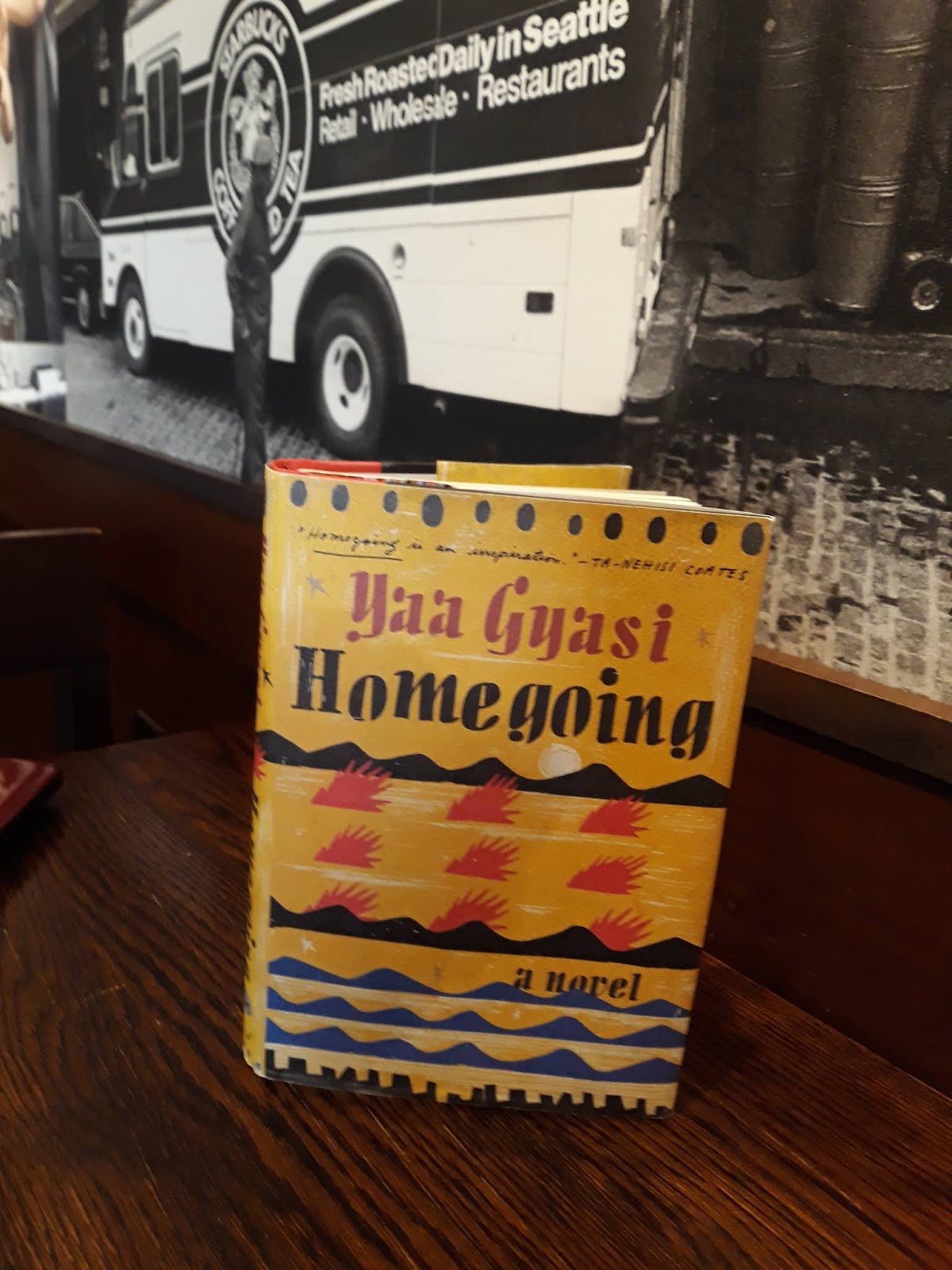
Homegoing
The debut novel by Yaa Gyasi, Homegoing (2016), is an inspirational and brilliantly crafted piece of true literary art. This novel begins with two half-sisters and continues onward with their descendants found on both sides of the Transatlantic slave trade- the enslaved and the colonized. Their hopes and struggles draws the reader in so well that time is easily forgotten. If you are not reading this novel already, you should be!
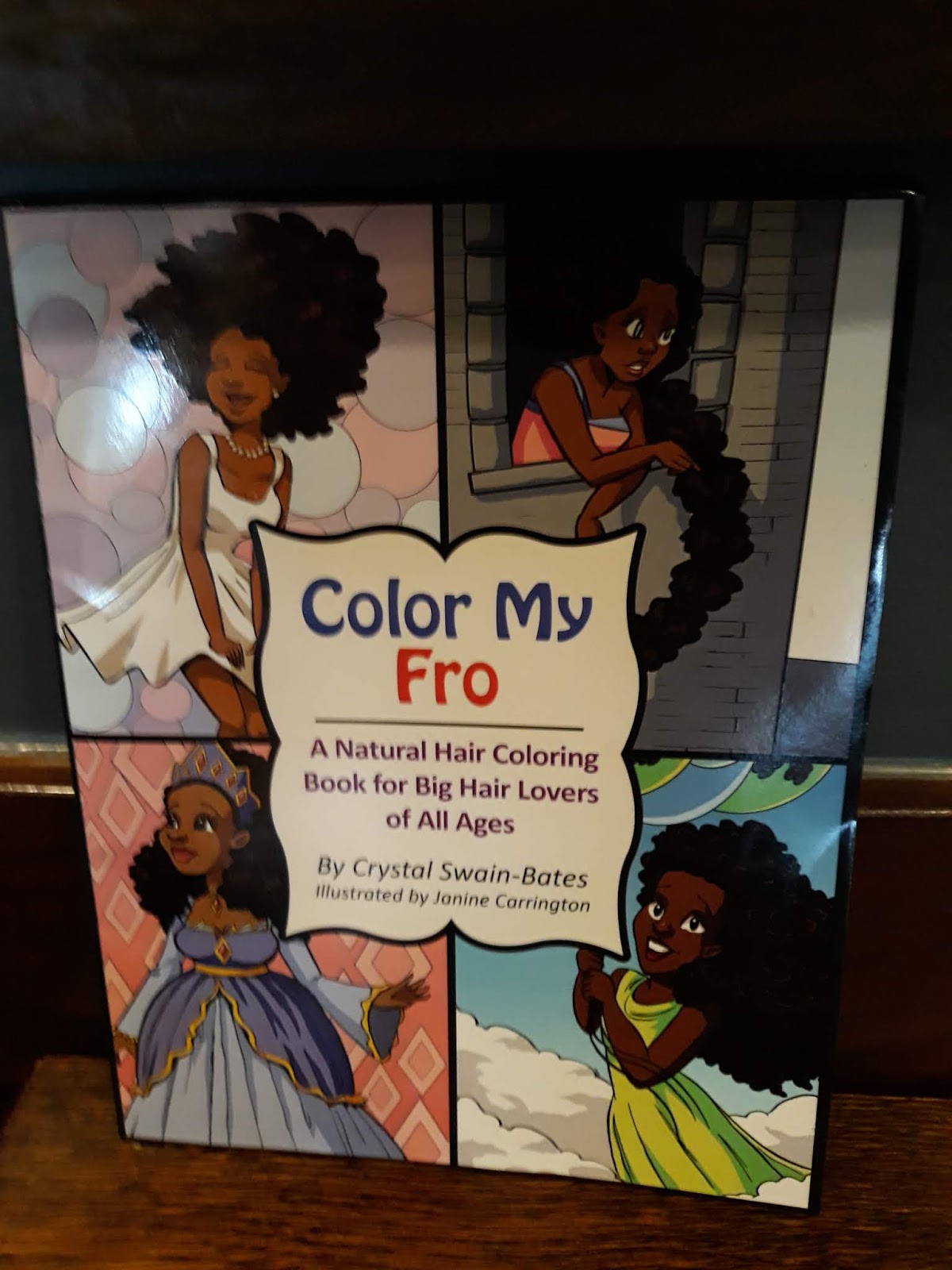
Color My Fro
If you are looking for a way to show off those budding art skills then Color My Fro: A Natural Hair Coloring Book for Big Hair Lovers of All Ages (2013), is the book for you! The author, Crystal Swain-Bates, is an accomplished children’s book writer and owner of Goldest Karat Publishing Company. Her coloring book has 31 preset images that include a bride, angel, and dance star, to name a few. So get out your crayons and embrace your inner artist. Who knows, you may be the next big thing!
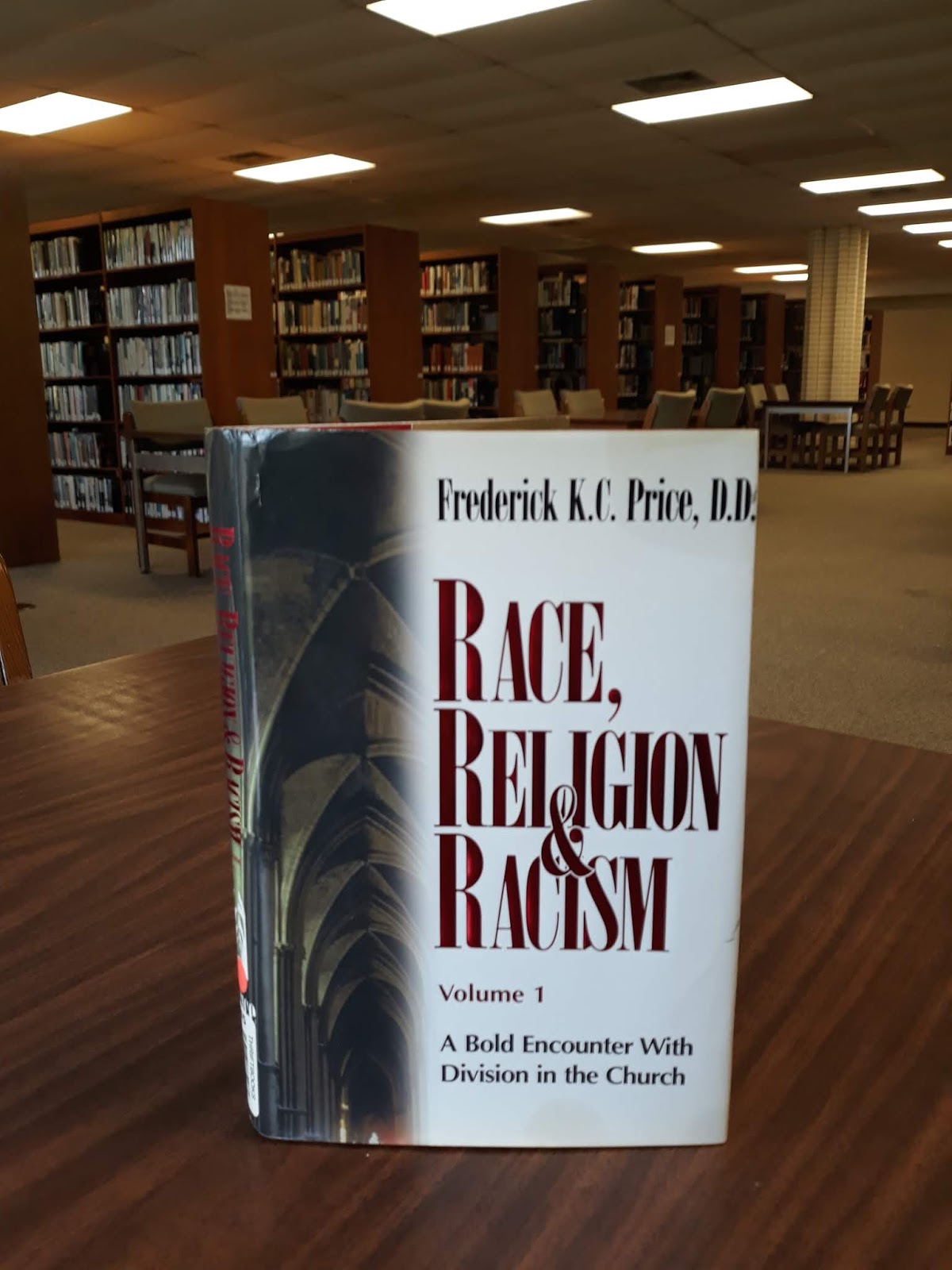
Race, Religion, & Racism
During the 1990s, Pastor Frederick Price of Crenshaw Christian Center in Los Angeles, California, faced a dilemma as whether to confront racism in the pulpit or not make waves in the church community. He was given an audio tape of a fellow pastor who made racial comments in front of a multiracial congregation. Pastor Price prayed and felt he was called to address the issue directly and the result was a television series and the book: Race, Religion, & Racism Volume 1: A Bold Encounter with Division in the Church (1999). This is the first book in a series of three with the same title that explores the racial dynamics in theology and racial oppression in society. This highly researched, scholarly book has an extensive bibliography without being pretentious and effectively engages the reader in the conversation. He exposes myths and half-truths in biblical teachings and religious traditions that subjugate one group of people to benefit a more dominant group. Finally, he holds the Christian Church accountable for its role in racial oppression.
His release of these teachings was met with praise and hostility. Preachers, both black and white, broke off a relationship with him and he found new allies in various hues. This message remains a classic resource for those with a interest in understanding racism in religion. To conclude, Pastor Frederick Price elegantly writes:“It is not only a miracle that black people have achieved what we have achieved, it is a miracle that we have been able to maintain our sanity in the face of the kind of conspiracy perpetrated against us for these hundreds of years. God must have a purpose for us…” (p. 195).
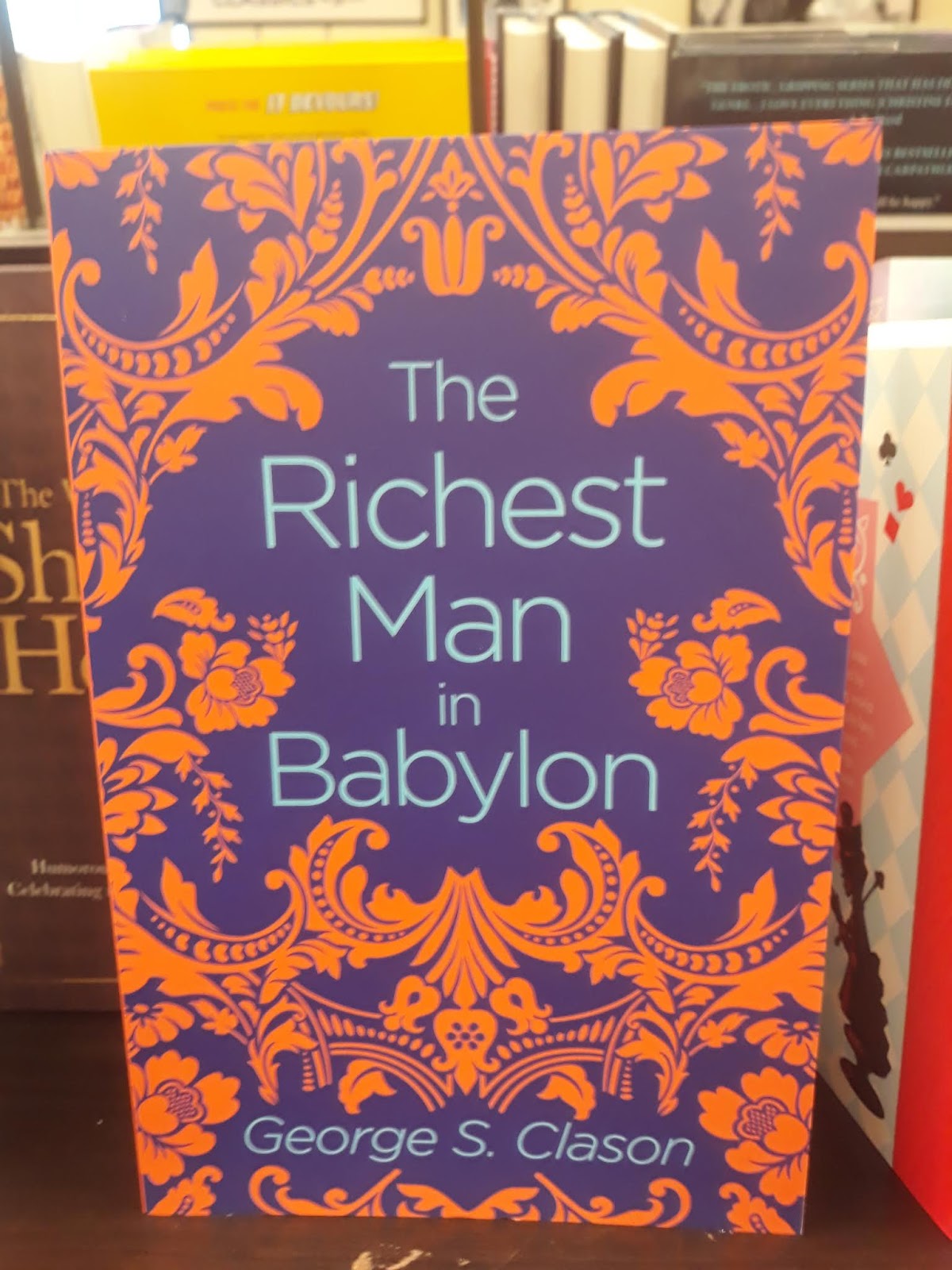
The Richest Man in Babylon
While in the bookstore I noticed a thought provoking title: The Richest Man in Babylon (2018 Edition) by George S. Clason. In biblical history, Babylon conquered Jerusalem and the ancient Hebrews were taken into captivity by divine judgement for their idolatry (KJV 2 Kings 24:8-16). They remained in Babylonian exile for 70 years. Also in Babylon, was the old testament prophet Daniel who was thrown in the lion’s den (KJV Daniel 6:16) and the kings Nebuchadnezzar (KJV Daniel 4:24-25) and Belshazzar (KJV Daniel 5:23-31) behaving badly.
First published in 1926 as a pamphlet circulated by banks and insurance companies, the book has a parable style to teach one how to manage their finances. Like listening to a good storyteller bestow wisdom, the book captures the reader’s interest and imagination using the backdrop of a long ago kingdom. George S. Clason writes: “Just so it is with the sons of men. Give them a choice of gold and wisdom-what do they do? Ignore the wisdom and waste the gold…(p.70).” This book is recommended for its helpful financial strategies and an intriguing back in time adventure.
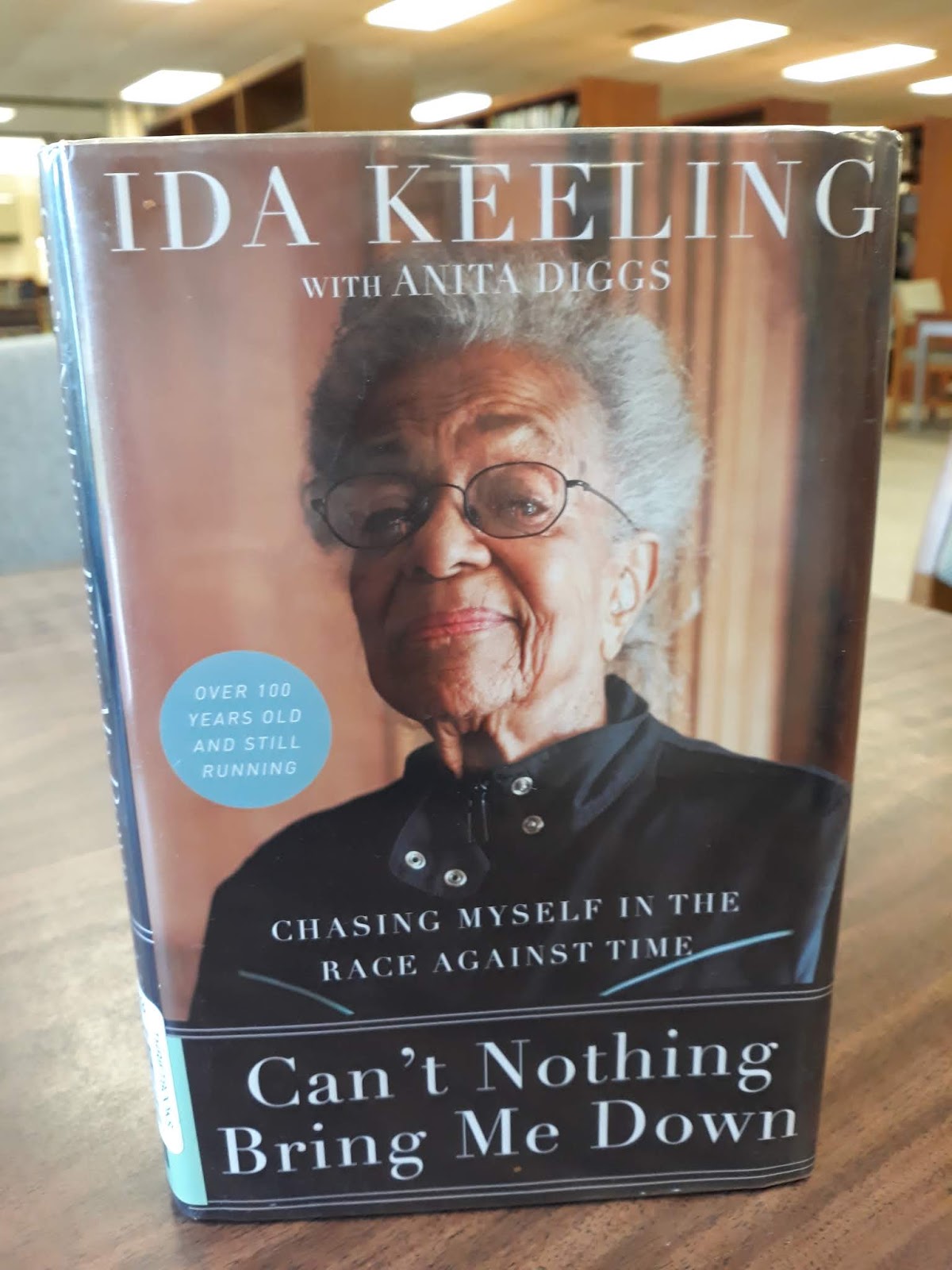
Can’t Nothing Bring Me Down
Ida Keeling has experienced the up and downs of life but has maintained a fierce perseverance. She shares her life story in the biography: Can’t Nothing Bring Me Down: Chasing Myself in the Race Against Time (2018). Born in 1915, this centenarian grew up in Harlem, New York. She faced several challenges throughout her life including single motherhood, divorce, racism, and the tragic loss of both her sons. She also bares witness to significant historical events in the African-American timeline and heard first-hand speeches by Marcus Garvey, Dr. Martin Luther King Jr.,Sufi Abdul Hamid, and Malcolm X. She writes of the 1932 presidential election and her vote for Franklin Roosevelt: “He became the first president to appoint an African American as a federal judge and to promote a black man to the rank of brigadier general in the Army…Black folks used to vote Republican before Mr. Franklin Roosevelt appeared. After he came on the scene, most black people became Democrats” (p.130).
At the age of 67, Ms. Ida Keeling began competitive running at the encouragement of her youngest daughter, to help cope with the grief from the deaths of her sons. Fast-forward now at 104 years old, she holds many world-records as a runner for her age group. She writes: “I’ll never stop going to the gym. My gym will always be involved in my life…(p. 197). Don’t miss the opportunity to read this authentic and inspirational memoir.
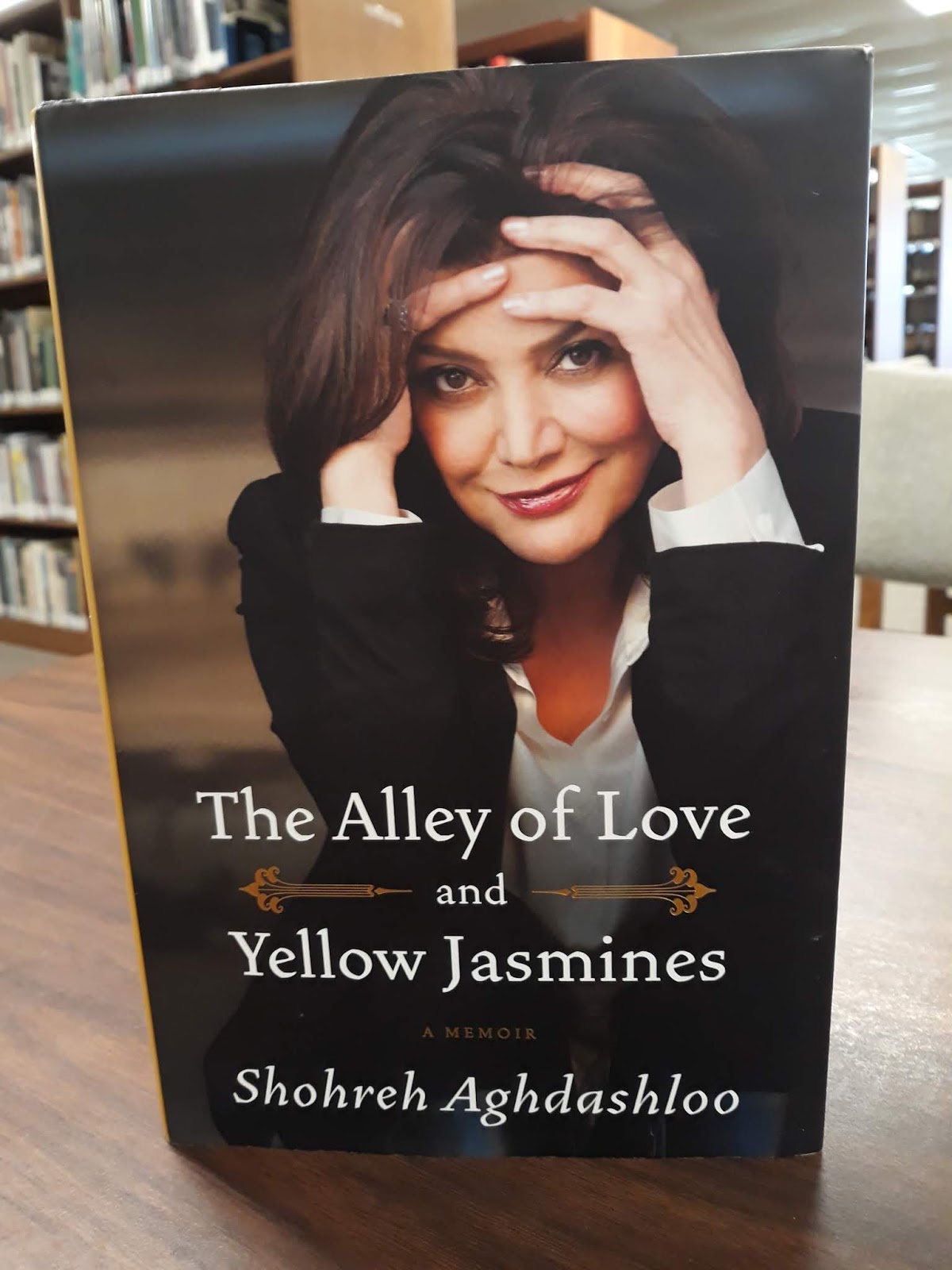
The Alley of Love and Yellow Jasmines
Shohreh Aghdashloo is an Emmy Award winning actress and the first Iranian person to be nominated for an Academy Award-that coveted Oscar. She has a television and film resume that includes: House of Saddam, Martin, Fox series 24, and House of Sand and Fog. The touching memoir, The Alley of Love and Yellow Jasmines (2013), provides an inside look at the early years of her acting career in Iran and the eventual journey to America.
Her life and body of work is a testament to art, politics, and determination. The 1979 Iranian Revolution resulted in the fall of the Shah (the king and monarchy) and the rise of Ayatollah Khomeini. Due to her political beliefs, activism, and profession as an actress, it was believed she would be targeted by the new government. For her own safety and that of her first husband and family she fled to London. She took English language courses as a prerequisite to enroll at the International University of Europe to study international relations. While living in London she dealt with financial stress and homesickness. In March 1980 she returned to Iran using her family name instead of her married name to avoid interrogation. After a rude encounter at the Ministry of Science government office her father spoke caution: “What you see is the surface, the so-called calm before the chaos. But we see beneath it, things that you do not see and cannot even imagine. Young people like you are being tortured for conspiracy against the regime…Go back, get your B.A. and we’ll see. But do not stay here” (p.129). Her father’s words proved prophetic as actors’ dossiers were under government review and after her departure a self-appointed militia came to her father’s house to ask for her whereabouts. But she was safe back in London.
She graduated from university and performed in several stage plays in Europe. These plays were enjoyed by many and in particular by Iranians in exile, like herself. She also found a new love along the way, and a career and life in America. This memoir is a great read to glimpse inspiration and the determination of one’s journey.
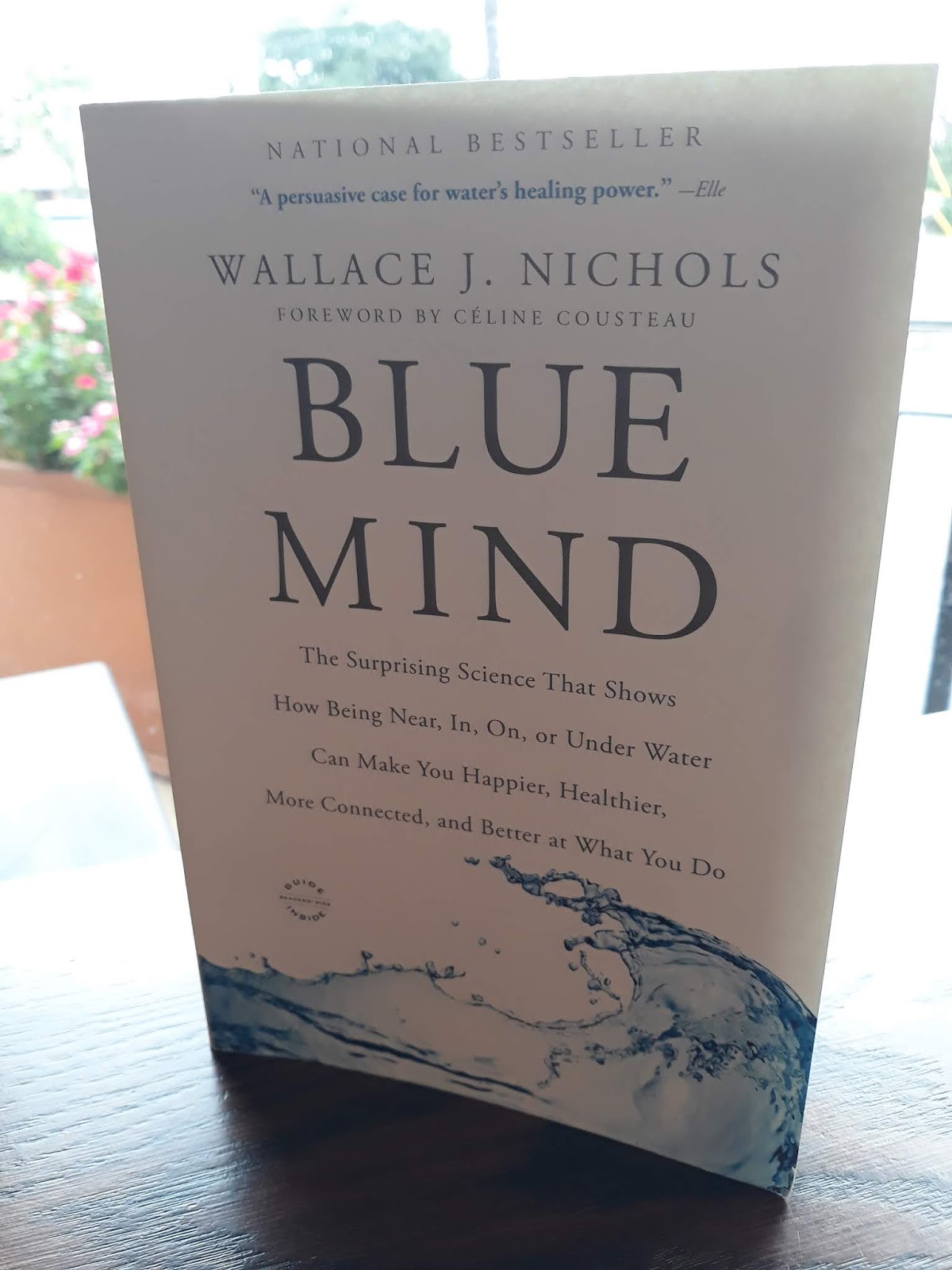
Blue Mind
Wallace J. Nichols is a marine biologist who studies the interaction of water activities and its effect on the brain. He explores this connection in the book: Blue Mind:The Surprising Science That Shows How Being Near, In, On, or Under Water Can Make You Happier, Healthier, More Connected, and Better at What You Do (2014). He promotes the positive benefits of water on the body and mind. The book includes research findings, personal stories, and the function of neuroplasticity (the ability of the brain to change its neural system, which by the way can have positive or negative effects). Nichols writes: “…What if we could treat stress, addiction, autism, PTSD, and other ills with surfing or fishing? What if your doctor handed you a prescription for stress or ill health that read, “Take two waves, a beach walk, and some flowing river, and call me in the morning?” (p. 141). Blue Mind is the idea that our meditative relationship with water encourages peace, calmness, and happiness. And that’s a prescription worthy of unlimited refills.
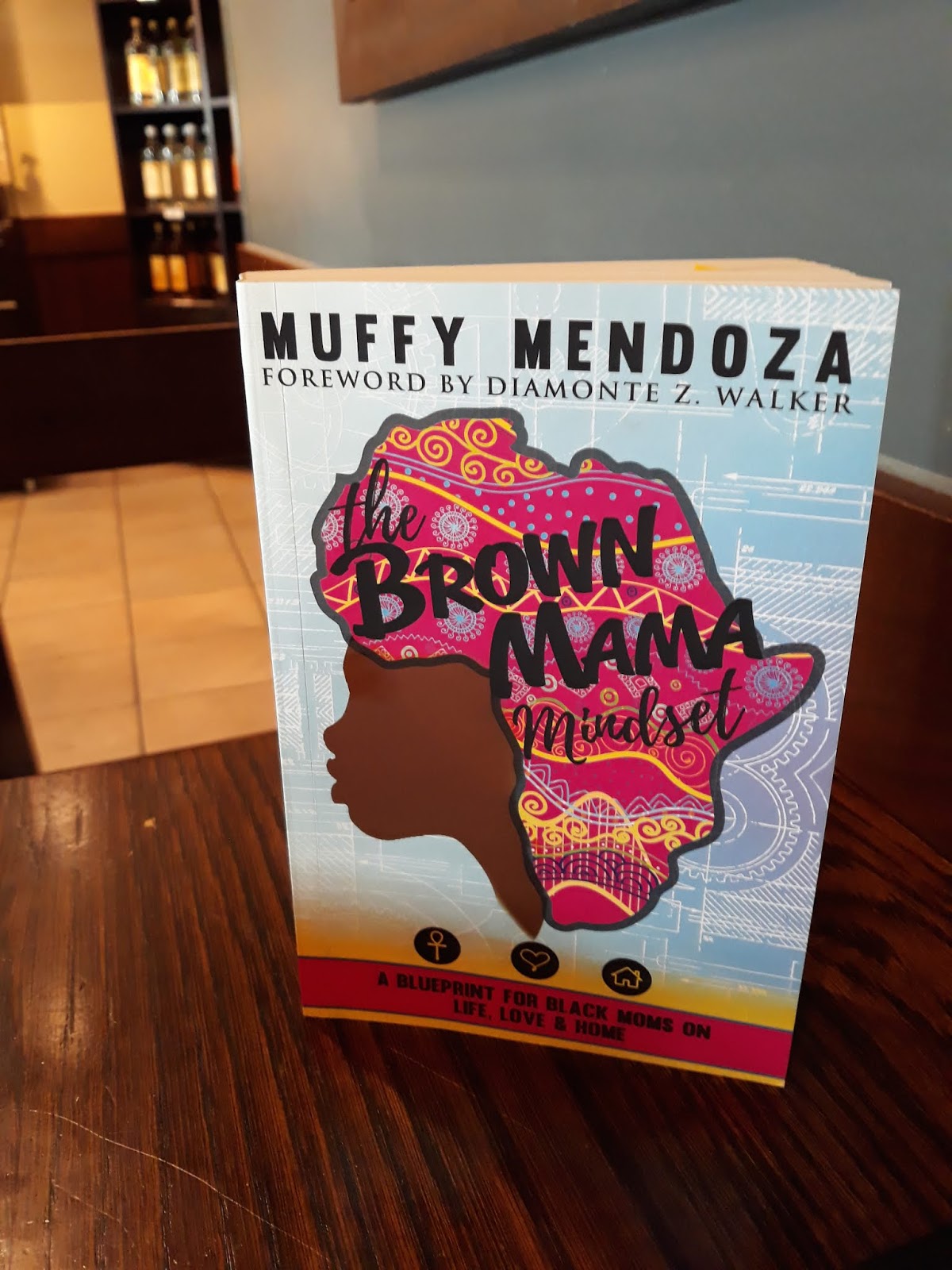
The Brown Mama Mindset
Muffy Mendoza is an author, speaker, mom of three boys, homeschooler, and the founder of Brown Mama Monologues. She shares her “Sankofa” journey to wholeness and well-being in the book: The Brown Mama Mindset: A Blueprint for Black Moms on Life, Love and Home (2018). I appreciate and admire her honesty about the challenges and achievements on the path to wholeness. She writes from the heart in a straight-forward prose that easily encourages the reader to join her journey.
I will point out one observation made while reading the book that was not included on the book’s back cover. The author’s belief system includes a blend of numerology, astrology, African spirituality practices (rituals, ancestors, magic, Creator), and biblical scriptures from the teachings of Jesus the Christ. Important to note, some religions or spiritual beliefs on the surface can appear to be similar, but a deeper look reveals distinct differences. An attempt to blend these similarities without recognition of their differences can pose a religious contradiction or philosophical quandary. For example, biblical scripture does not permit divination, omens, or witchcraft (KJV Deuteronomy 18:10).
All that being said, I am a student of world religions and furthermore, the United States constitution guarantees each person the right to freedom of religion or belief. I did enjoy the book as it has many positive and practical tips for achieving well-being.
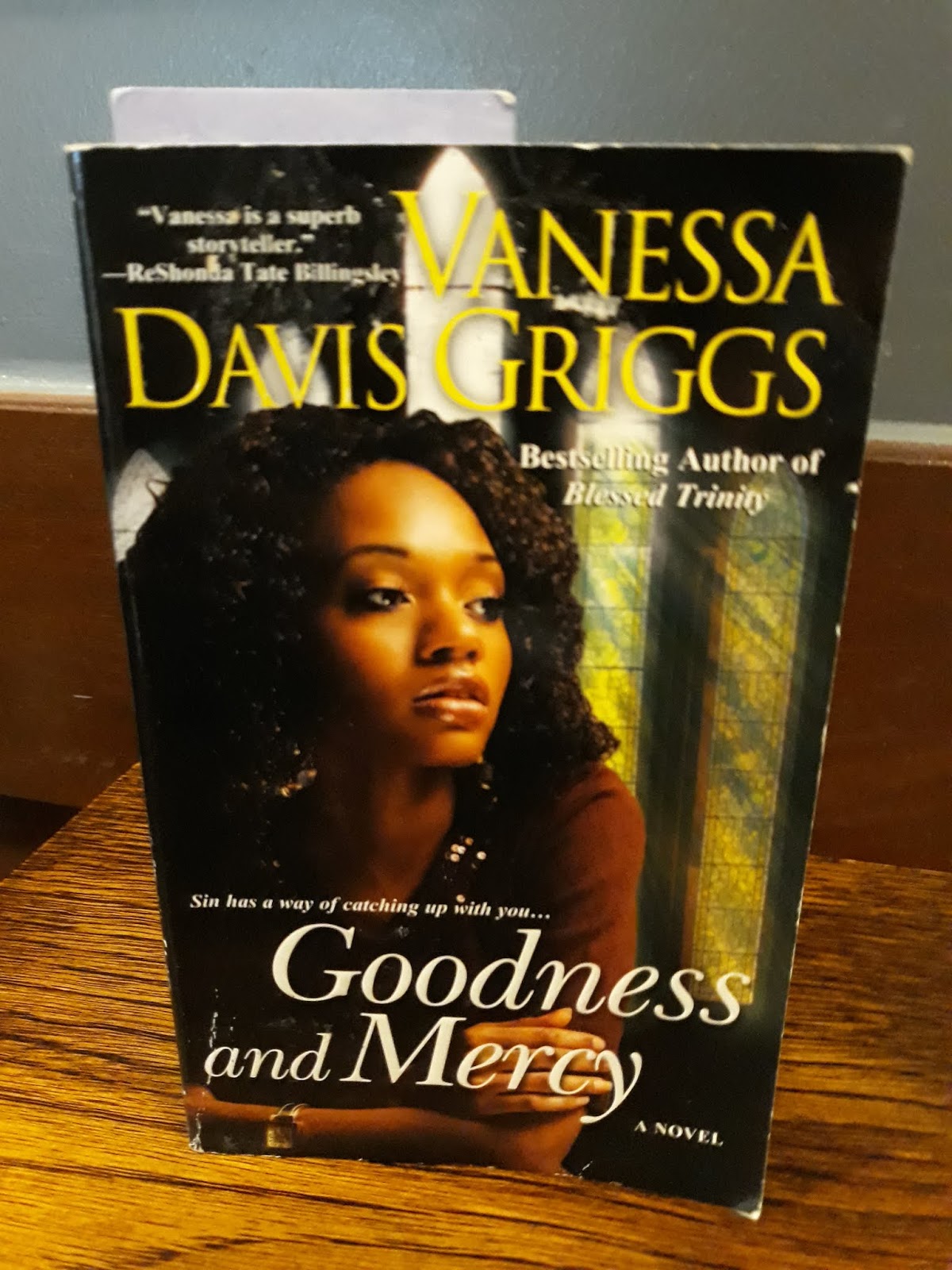
Goodness and Mercy
Vanessa Davis Griggs poses a reflective question in her novel Goodness and Mercy (2009), can one move on from sins of the past? The heroine, Gabrielle Mercedes has come to a crossroads in her life and decides to make positive changes for a better present and future. This decision includes joining a Christian church and she soon realizes fellowship has its own challenges. Her employer provides a firm warning: “…You be careful over there with those church folks. Watch your back…You might have signed up to follow Jesus, but everybody at church ain’t walking the straight and narrow the way you might think they are…”(p.56 ). This warning foreshadows Gabrielle’s road ahead to maintain her resolve despite obstacles and vipers inside and outside the church.
This book is an enjoyable read with a thought provoking storyline that has such realism the reader will undoubtedly feel familiar with some of the characters and situations. The novel starts off as a slow flame that reaches a fiery furnace midpoint and ends with a soft ember. It’s a true example of trial by fire.
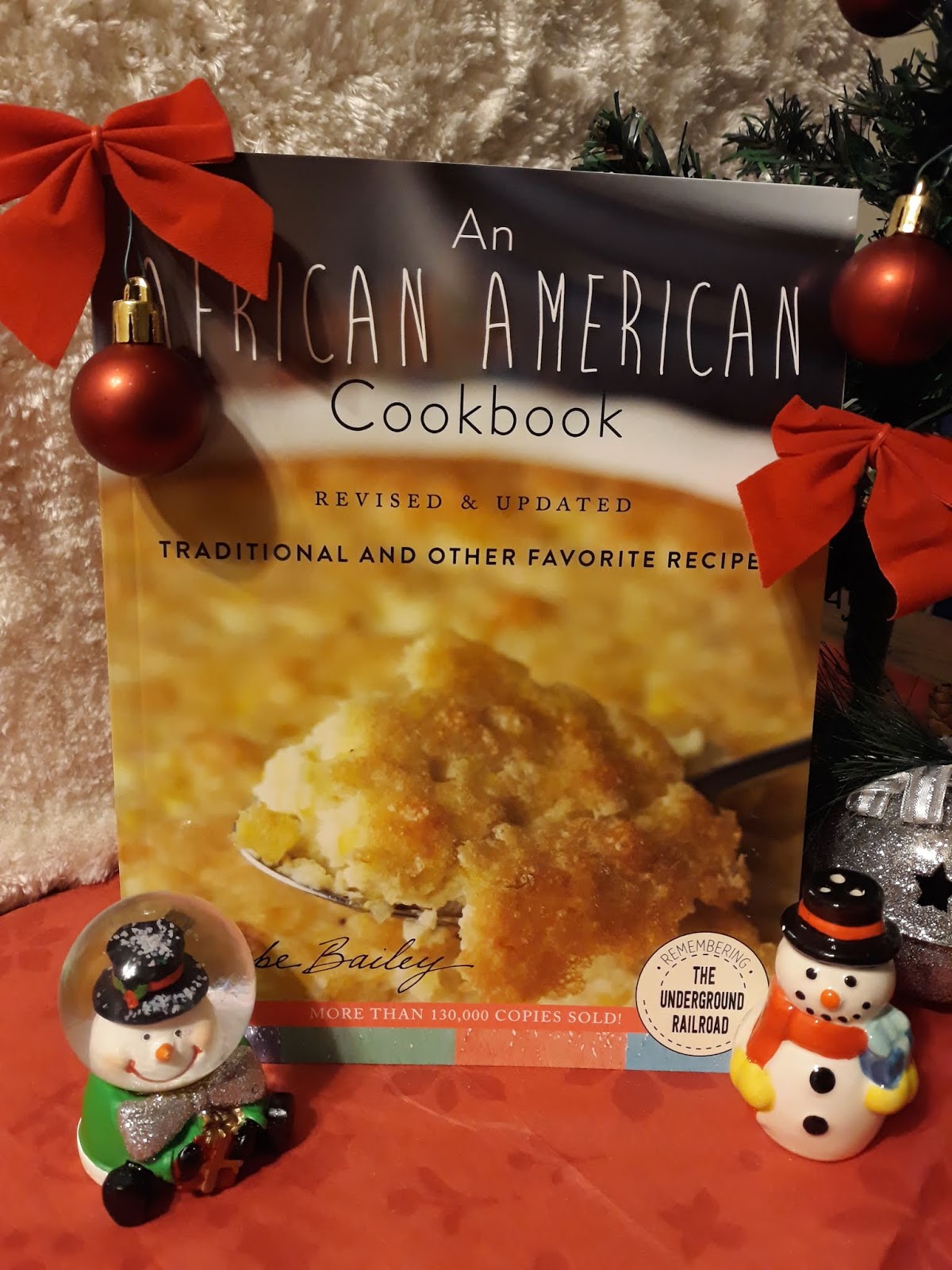
An African American Cookbook
The holiday season is upon us and that means delicious food and cheer. Phoebe Bailey introduces tasty recipes and some history of the Pennsylvania Underground Railroad in her book: An African American Cookbook, Revised & Updated: Traditional and Other Favorite Recipes (2015). There are recipes for old-time favorites like Gumbo, Collards, and Cracklin Cornbread as well as contemporary dishes such as Asparagus Frittata, Sesame Fried Chicken, and Strawberry Mousse. The cookbook has a good balance between the old and the new with easy written instructions that would benefit beginner cooks and also please the experienced home chef.
This cookbook pays homage to the “African Christian’s historical perspective of the enslaved Africans’ investment and leadership in the quest for freedom and equality through means such as the African Methodist Episcopal Church and the Underground Railroad” (p.247). Through-out its pages are quotes from historical figures, recipe contributors’ comments, and brief summaries on the importance of Negro spirituals as hidden communication for those fleeing the oppression of enslavement by means of the Underground Railroad. Included is a quote by Dr. Molefi Kete Asante, Ph.D (Philosopher and Department Chair of African American Studies at Temple University): “We have a formidable history, replete with the voice of God, the ancestors, and the prophets” (p.122). This cookbook would make a lovely holiday gift for yourself and others.
Bonus Book Review (2019)
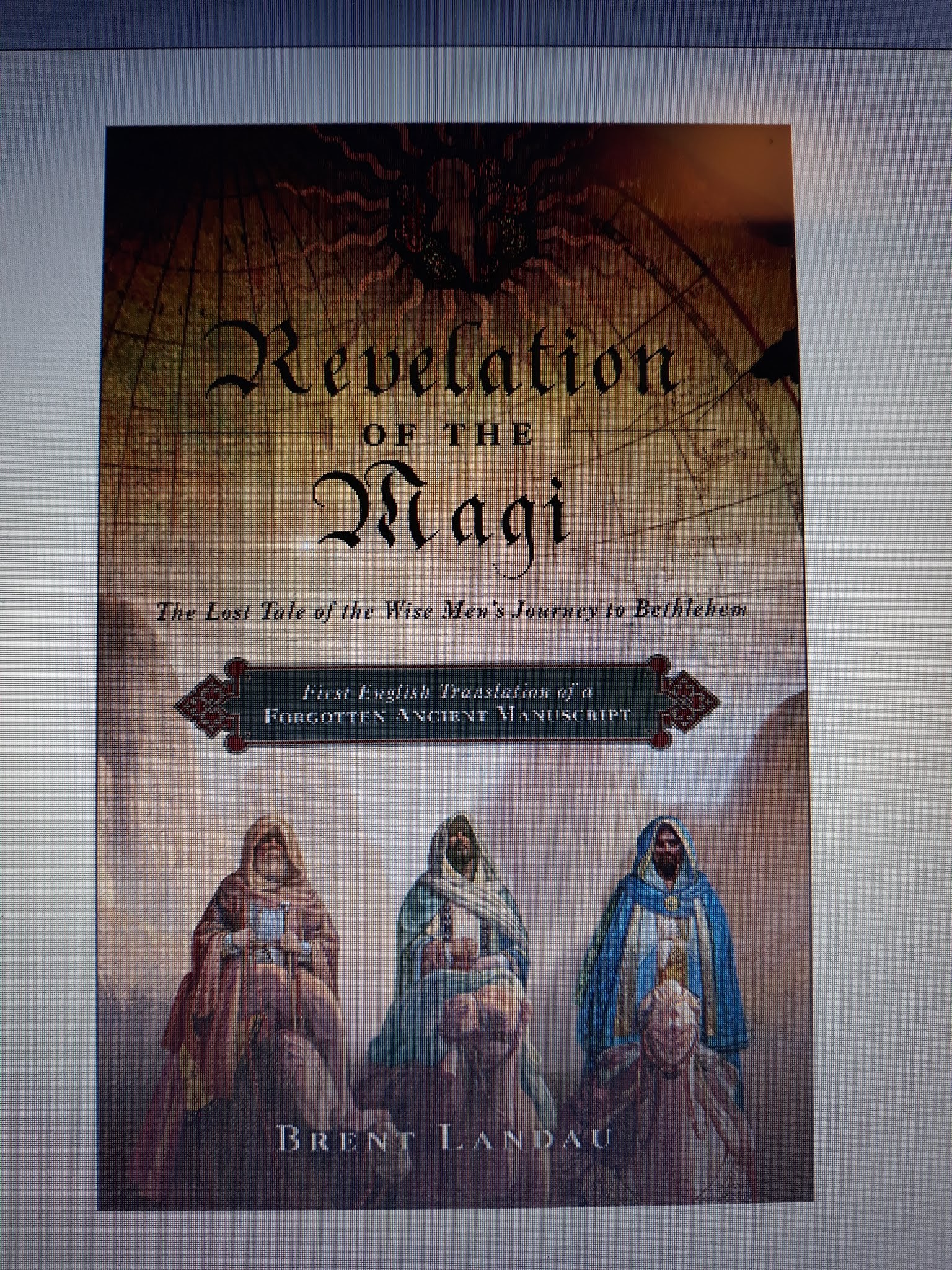
Holiday Bonus Book Review: Revelation of the Magi
Discover more from Sankofa Newsletter
Subscribe to get the latest posts sent to your email.



 Sankofa Newsletter