“To gain knowledge for the future, demands wisdom of the past.”
💖Welcome to the Sankofa Newsletter Blog!
The word Sankofa originates from the Twi language of the Akan tribe of Ghana, West Africa. It means “go back and get it.” The Akan people believe the past and the future are eternally intertwined and any pursuit of knowledge must demonstrate this understanding.
The Sankofa Newsletter is a mini-guide to culture and news. A monthly publication that features four articles to inspire, enlighten, and stimulate intellectual curiosity. Get a free copy delivered to your email inbox today. Share, Like, Subscribe. Happy Reading! LaSheba Baker, Creator & Editor
Sami Blood
What does it mean to assimilate into a more dominant culture? Are you allowed to retain your own cultural identity or adopt the customs of another group? Amanda Kernell explores these questions in her first feature film Sami Blood (2017). The film introduces two sisters, Elle-Marja and Njenna, who are Sami students at a government school in 1930s Sweden. During this time in history, the school was established to assimilate Sami children into the more dominant Swedish culture and was also a period of systematic racism against them.
The Sami are an indigenous population that are semi-nomadic reindeer herders found in Sweden, Finland, Norway, and Russia. They also have a beautiful old song tradition known as Joik. Today in Sweden, many Sami have retained their cultural pride and have acquired political representation in the Sami Parliament.
Sami Blood has amazing views of nature and a good story line of how the sisters cope with discrimination and racism. You should definitely watch this film! It is available for rental on YouTube with English subtitles. Filmmaker Amanda Kernell is herself of Sami ancestry and speaks openly about her own older relatives who deny their ethnic origins. See the interview video of her at the end of this post.
Read more at Variety:
Swedish-Sami Director Amanda Kernell on ‘Sami Blood’ and Past Racism Against Sami People in the North of Sweden
Johannesburg, South Africa is where Mbogeni Buthelezi creates unique art using recycled plastic materials. He melts strips of plastic to bring forth works of art that fascinates viewers. His blend of ingenuity of material and creativity of form makes him a true pioneer of this particular style of art. Don’t miss the opportunity to feast your eyes on his impressive portraits.
Imagine yourself as a 9 year-old girl who longs for a favorite lip balm that your father refuses to buy. What’s a young girl to do? Simply put, make your own lip balm! That’s exactly what Zandra Cunningham, teen founder and CEO of Zandra Beauty did-she created her own skin care line. At that tender age she started her own business and sold lip balms and shea body butter at local farmer markets. Today, she’s an 18 year-old entrepreneur who secured a business deal with Target to feature her product, the “Treat Yo Self” gift-box. What a great example of turning a “No” into a “Yes.”
Read more at Blacknews.com:
18-Year Old Black Teen Entrepreneur Signs Major Deal With Target Stores — Introduces Plant-Based Skincare Giftbox!
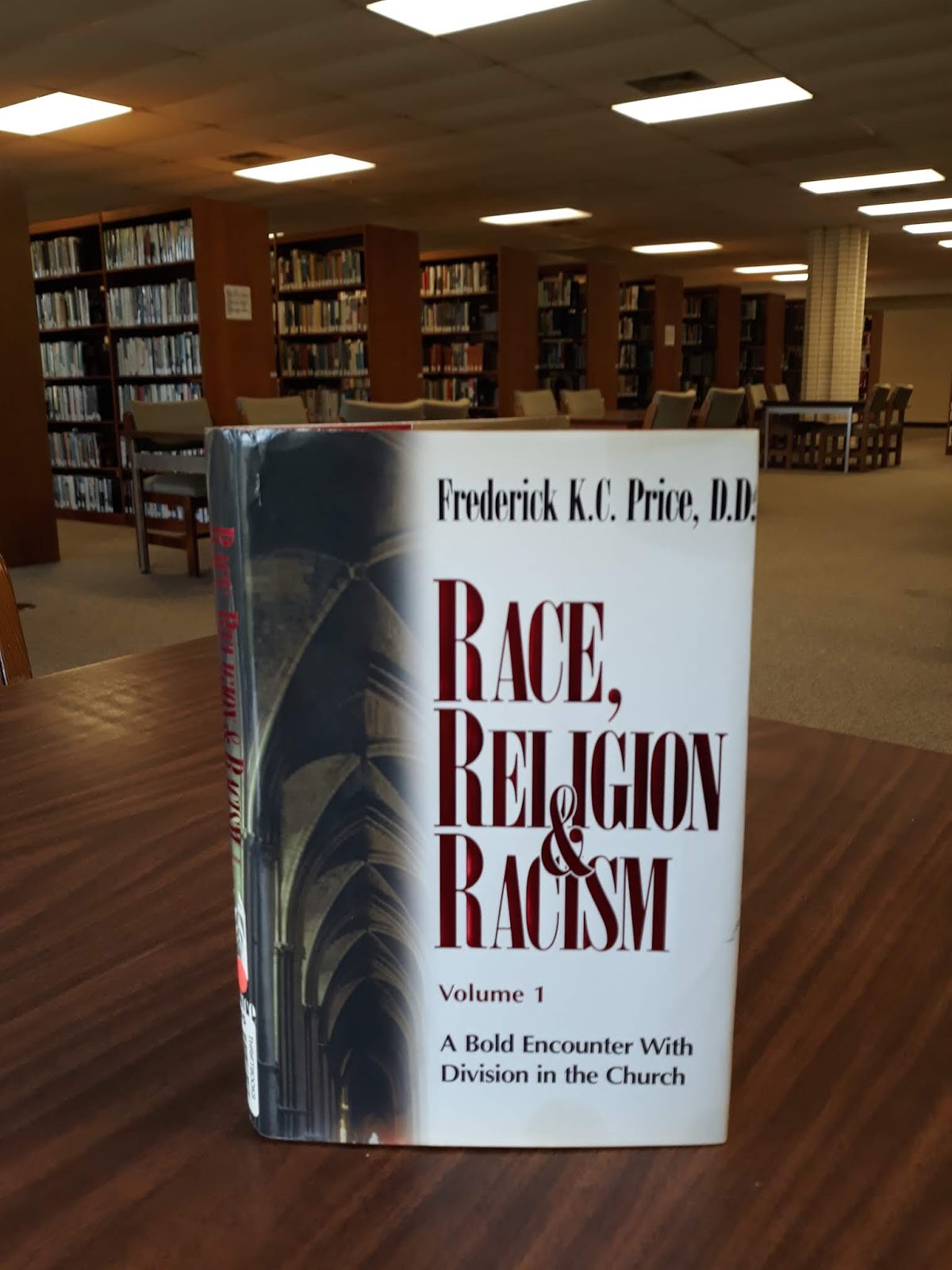
During the 1990s, Pastor Frederick Price of Crenshaw Christian Center in Los Angeles, California, faced a dilemma as whether to confront racism in the pulpit or not make waves in the church community. He was given an audio tape of a fellow pastor who made racial comments in front of a multiracial congregation. Pastor Price prayed and felt he was called to address the issue directly and the result was a television series and the book: Race, Religion, & Racism Volume 1: A Bold Encounter with Division in the Church (1999). This is the first book in a series of three with the same title that explores the racial dynamics in theology and racial oppression in society. This highly researched, scholarly book has an extensive bibliography without being pretentious and effectively engages the reader in the conversation. He exposes myths and half-truths in biblical teachings and religious traditions that subjugate one group of people to benefit a more dominant group. Finally, he holds the Christian Church accountable for its role in racial oppression.
His release of these teachings was met with praise and hostility. Preachers, both black and white, broke off a relationship with him and he found new allies in various hues. This valuable message remains a classic resource for those with an interest in understanding racism in religion. To conclude, Pastor Frederick Price elegantly writes:“It is not only a miracle that black people have achieved what we have achieved, it is a miracle that we have been able to maintain our sanity in the face of the kind of conspiracy perpetrated against us for these hundreds of years. God must have a purpose for us…” (p. 195).
Read more at The Los Angeles Times:
Rude Awakening on Racism Gave Minister New Mission
Hi, I’m LaSheba. The Sankofa Newsletter is a reflection of my personal and research interest in the study of culture, history, religion, sociology, and neuroscience. As an aspiring scientist, author, and life-long learner this blog serves as a resource to inspire, enlighten, and stimulate intellectual curiosity. Happy Reading!
“And when the Queen of Sheba heard of the fame of Solomon concerning the name of the Lord, she came to prove him with hard questions.” -(1 Kings 10:1, KJV Holy Bible)
View more posts




 Sankofa Newsletter